
The week of April 27 to May 3, 2026 was less about one giant trailer and more about where the industry seems to be heading next. One sequel scored a very strong box office launch, Netflix made a meaningful theatrical shift for Greta Gerwig’s Narnia, Apple started openly talking about an F1 sequel, and the Paramount–Warner deal kept inching forward. In other words, this was a week about momentum, strategy, and what studios think still works.
The Devil Wears Prada 2 gave the week its biggest box office story
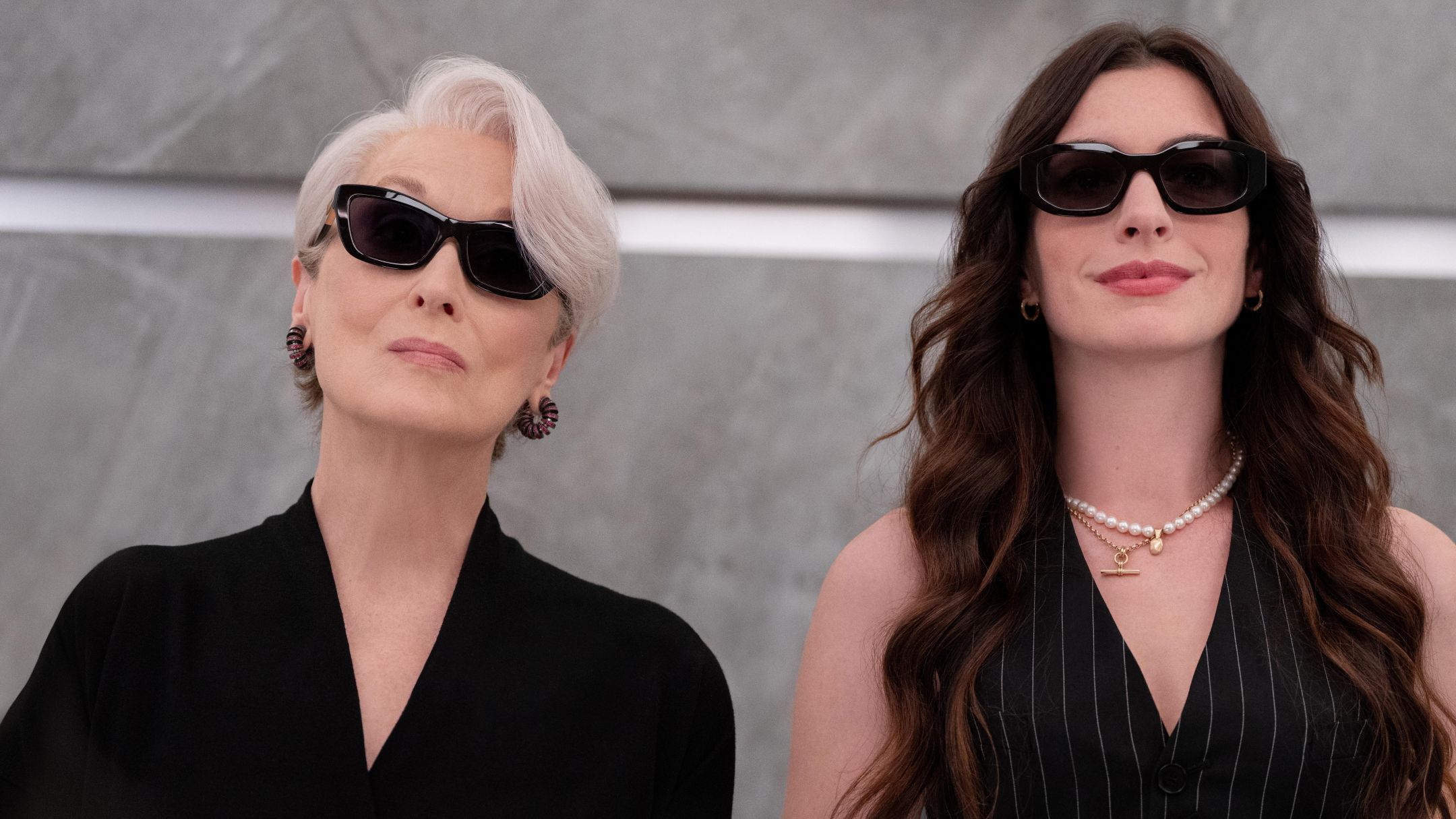
The clearest movie headline of the week was the opening of The Devil Wears Prada 2. According to AP, the sequel debuted with $77 million in the U.S. and Canada and $156.6 million internationally, taking first place and delivering one of the strongest launch stories of the current spring-to-summer corridor. AP also noted that the audience was heavily female, with women making up 76% of ticket buyers, which helps explain why the film hit with such force despite mixed reviews.
That matters because this was not just a nostalgia bump. The size of the opening suggested that legacy IP aimed at adults, especially female-skewing audiences, still has real commercial power when the package feels big enough. For a sequel arriving 20 years after the original, this was exactly the kind of result studios want to see when they bet on recognizable titles with built-in affection.
Netflix made a real theatrical move with Greta Gerwig’s Narnia
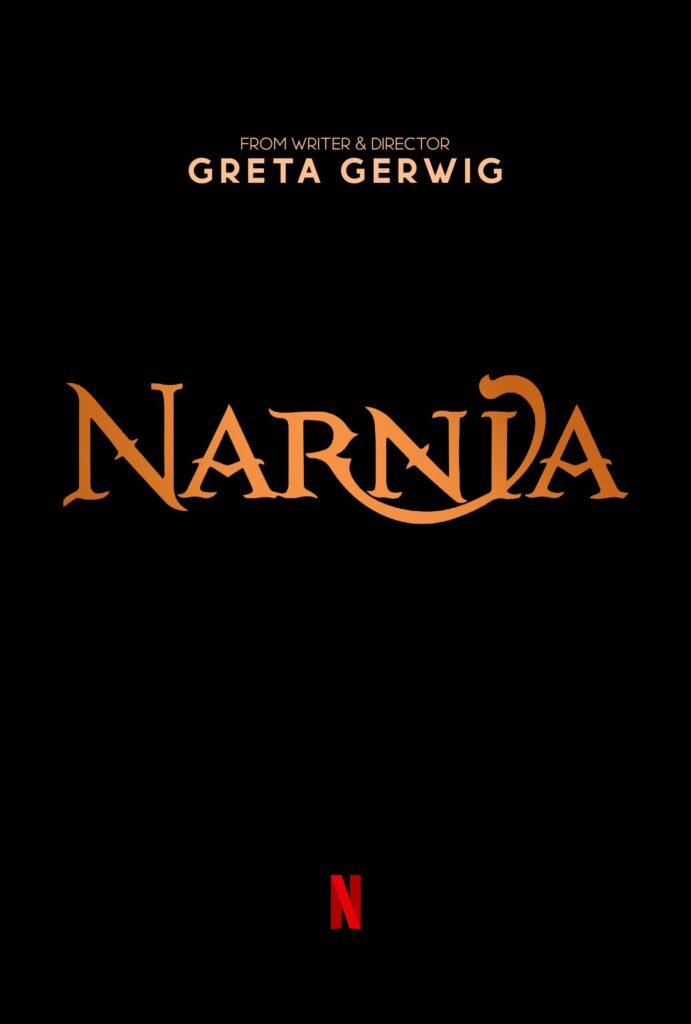
The most interesting strategy story of the week came from Netflix. Reuters reported on May 1 that Greta Gerwig’s Narnia: The Magician’s Nephew will get a wide theatrical release next year and play exclusively for more than 45 days before landing on Netflix. Reuters described it as a first for the streaming service, which makes this much bigger than a routine release-date update.
That is the part that stands out. Netflix has flirted with theatrical play before, but a wide release with a long exclusive window signals a more serious concession to the idea that some films need to feel like cinema events first. And if Netflix is willing to do that for Gerwig and Narnia, it suggests the company understands that certain prestige-scale projects benefit from theatrical legitimacy, not just streaming convenience.
Apple started sounding confident about an F1 sequel
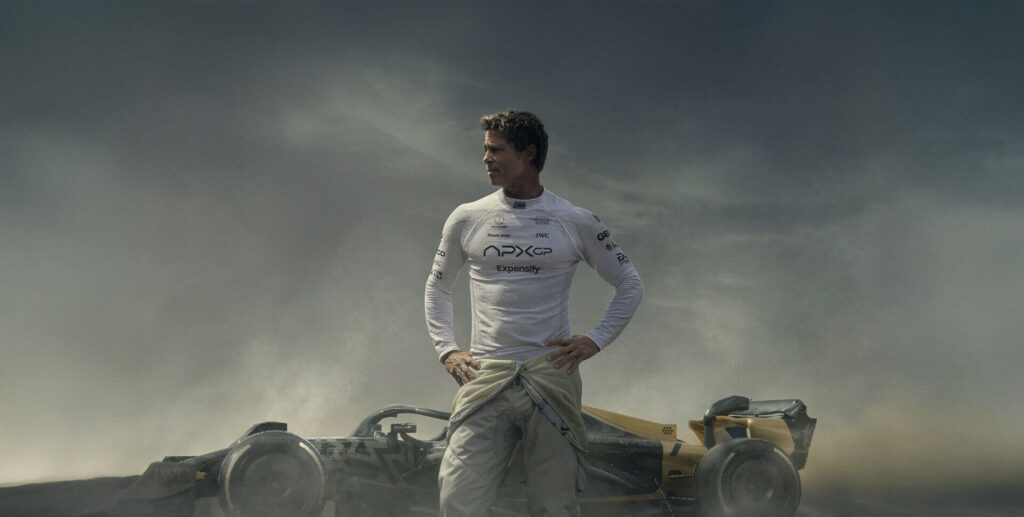
Another notable signal came from Apple. Reuters reported that Apple executive Eddy Cue said he expects an F1 movie sequel, while also outlining broader ambitions around Formula One and media expansion. The same Reuters coverage framed Apple’s growing F1 involvement as bigger than one movie, tying it to the company’s wider sports, media, and global-TV strategy.
That does not read like a formal greenlight announcement, but it absolutely reads like confidence. When a top executive is already speaking openly about a sequel, it usually means the company sees the brand as expandable rather than one-and-done. For Apple, F1 is clearly starting to look like a larger platform play, not just a single high-profile film release.
The Paramount–Warner story kept moving, even if quietly
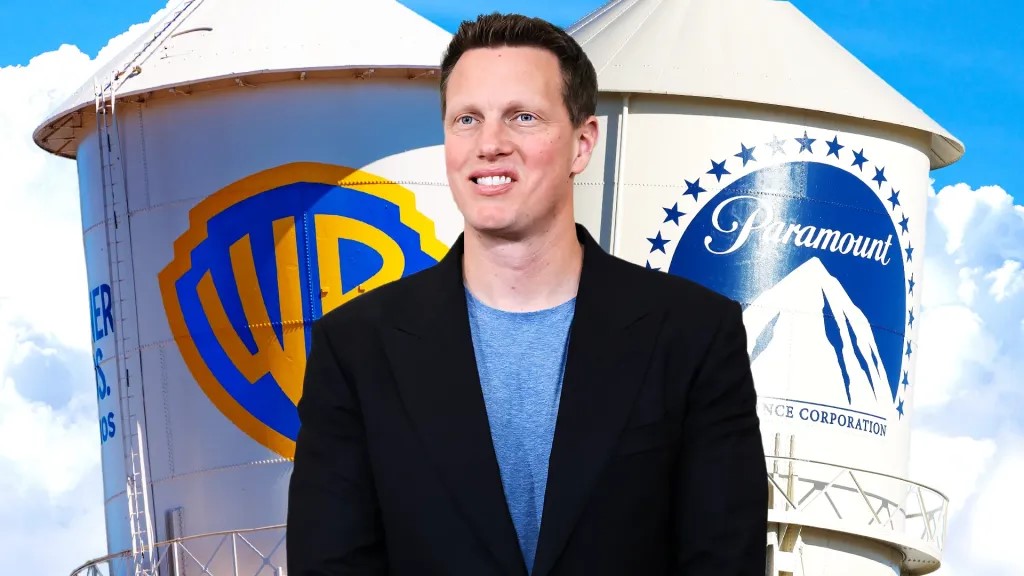
The week also brought another concrete step in the proposed Paramount–Warner transaction. Reuters’ Netflix company page summary, which cross-referenced the broader media-business coverage from the same period, noted that Warner Bros. Discovery shareholders had backed the roughly $110 billion merger with Paramount Skydance on April 24, keeping the deal alive as one of the year’s biggest media stories.
So while this was not the flashiest entertainment headline of the week, it stayed important in the background. The deal continues to shape how people inside the business think about consolidation, competition, and what the studio landscape may look like next. It is one of those stories that can feel abstract until suddenly it changes everything.
The takeaway
If there was one theme this week, it was this: Hollywood is still chasing familiarity, but it is also adjusting how it delivers it. Prada 2 proved that the right sequel can still open big. Netflix showed more willingness to treat certain films like true theatrical events. Apple hinted that F1 could become a broader franchise play. And the Paramount–Warner story remained a reminder that the biggest shifts in entertainment are often corporate before they become creative.
It was not the noisiest week of 2026. But it was a revealing one.
