

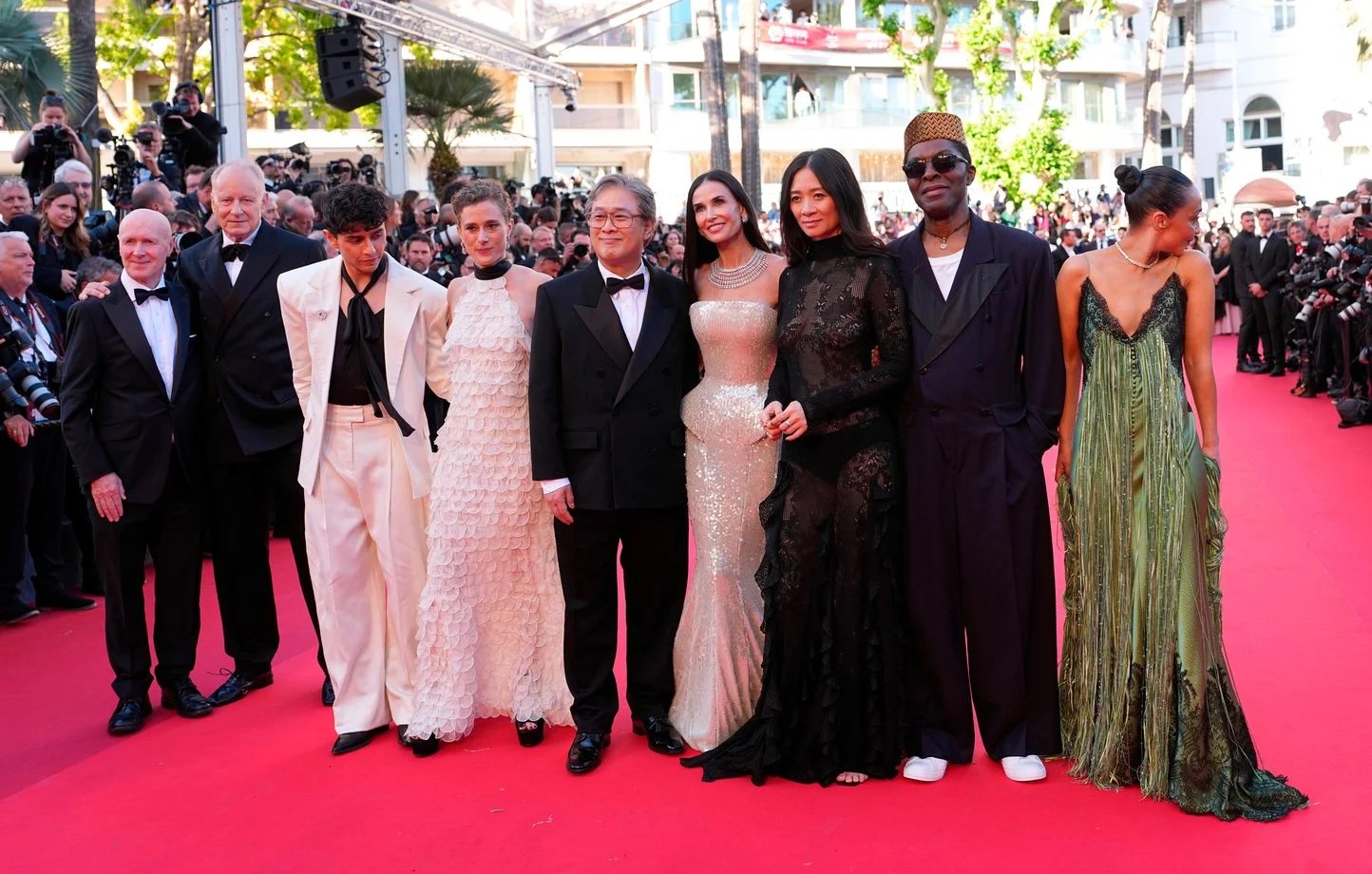
The week of May 11 to May 17, 2026 belonged to Cannes. Once the festival opened, it immediately pulled the center of gravity away from almost everything else in film, turning the conversation toward prestige cinema, jury politics, red-carpet visibility, and what the next phase of the movie year might look like. But it was not the only story. The Fast & Furious universe made a notable TV move, Michael climbed back to the top of the box office, and Netflix used Upfront week to remind everyone just how massive its content machine has become.
Cannes became the week’s defining story
That was the clearest headline. Reuters reported that the 79th Cannes Film Festival opened with a noticeably indie-leaning field and fewer major Hollywood studio titles than usual, while AP highlighted the festival’s star power and the honorary Palme d’Or for Peter Jackson. In practical terms, Cannes once again became the place where the global film world reset its attention and started measuring the prestige end of 2026 in real time.
What made this especially interesting was the tone around the festival. Cannes did not arrive this year as a showcase for giant studio campaigning. Instead, the conversation tilted more toward independent and auteur-driven cinema, which gave the event a slightly different energy than the more franchise-dominated weeks that came before it. That does not always produce the loudest headlines, but it often produces the stories with the longest tail.
Fast & Furious pushed further into television
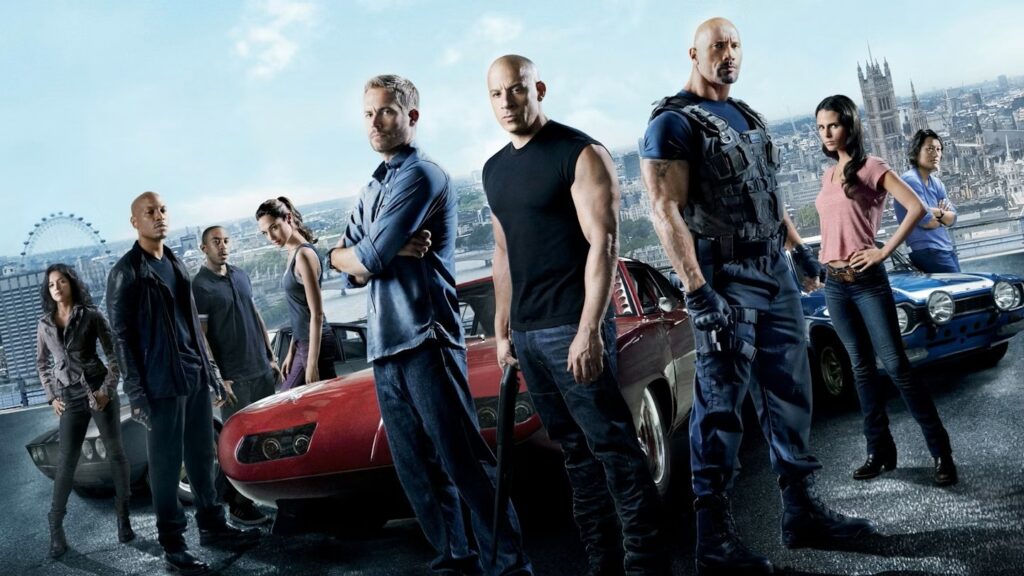
One of the week’s most notable franchise updates came from NBCUniversal, which confirmed that a Fast & Furious TV series is in development for Peacock. Reuters reported that Vin Diesel said there are four shows being developed in the universe, though NBCUniversal officially confirmed only one. The same report noted that the franchise has now earned more than $7 billion worldwide and that the final film is set for March 17, 2028.
That is a meaningful shift. Fast & Furious has always been one of those brands that felt larger than the movies themselves, but moving deeper into television suggests the studio sees it as a long-term entertainment ecosystem, not just a theatrical series winding toward its finish line. Whether audiences want that much expansion is another question, but as a strategy move, it was one of the week’s clearest examples of Hollywood pushing familiar IP into every available lane.
Michael took back the top spot at the box office
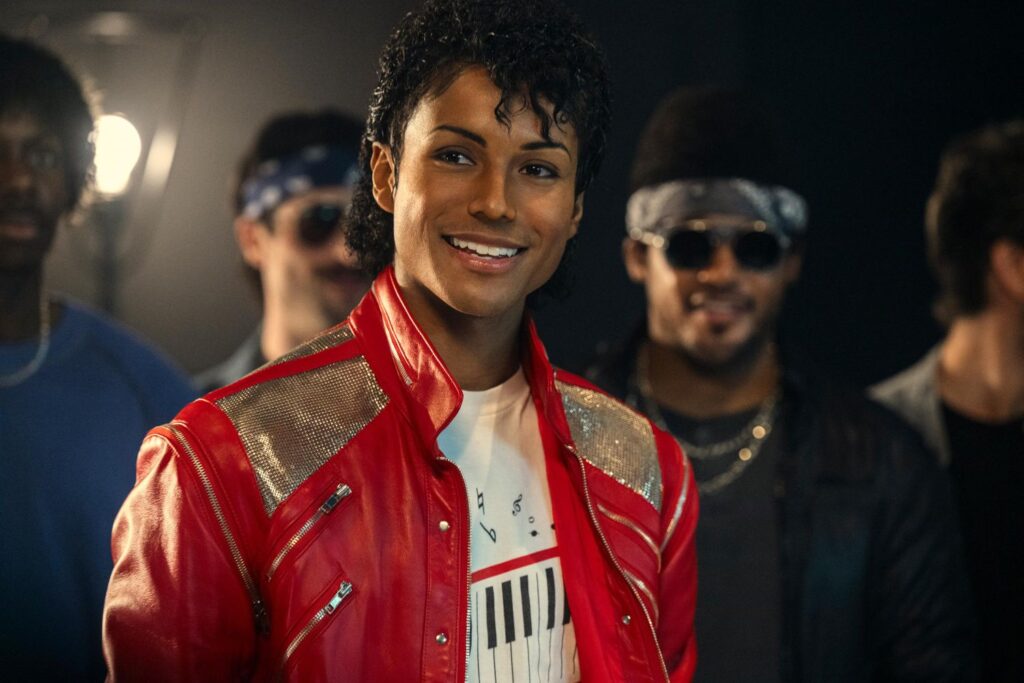
On the theatrical side, Michael reclaimed No. 1 in North America during its fourth weekend, earning $26.1 million and pushing its worldwide total to about $703.9 million, according to AP. The same report also pointed out that Obsession overperformed with $16.1 million on a tiny budget, while The Devil Wears Prada 2 dropped to second with $18 million for the weekend.
That rebound matters because it shows Michael was not just an opening-weekend curiosity. However divisive the film may have been creatively, the audience interest held up strongly enough to send it back to the top, which is not something every high-profile biopic can do. It also turned the movie into one of the clearest commercial stories of the season so far: controversial, heavily discussed, and undeniably big.
Netflix used the week to flex its size
Away from Cannes and the box office, Netflix made one of the week’s biggest business statements. Reuters reported that the company said it has spent more than $135 billion on films and television over the last decade, contributed over $325 billion to the global economy, and helped create more than 425,000 jobs through its productions. It also said it had over 325 million paid subscribers by the end of 2025.
This was not a flashy fan headline, but it was still an important one. During a week when Cannes emphasized cinema culture and theatrical prestige, Netflix responded with scale — pure industrial scale. The message was obvious: whatever anyone thinks about streaming’s effect on movies and television, Netflix wants to be seen not just as a distributor, but as one of the defining engines of the modern entertainment economy.
The takeaway
If there was one theme this week, it was two different visions of the industry competing for attention at the same time. Cannes represented prestige, curation, and the global art-house conversation. Fast & Furious represented aggressive franchise expansion. Michael showed the continuing power of event-style biographical filmmaking. And Netflix reminded everyone that scale itself is now part of the story.
So while Cannes clearly led the week, the bigger picture was about contrast: festival cinema on one side, franchise sprawl and streaming muscle on the other. That made this one of the more revealing entertainment weeks of the month.
