

The week of April 20 to April 26, 2026 had a little bit of everything: a huge box office breakout, a major merger step with real industry consequences, a glossy legacy sequel getting back into the spotlight, another nostalgia-driven studio push, and one sequel series that hit a wall before it could properly get going. It was not a week defined by one single event like CinemaCon. It was more fragmented than that — but still packed with stories that mattered.
1. Michael gave the box office its biggest movie story of the week
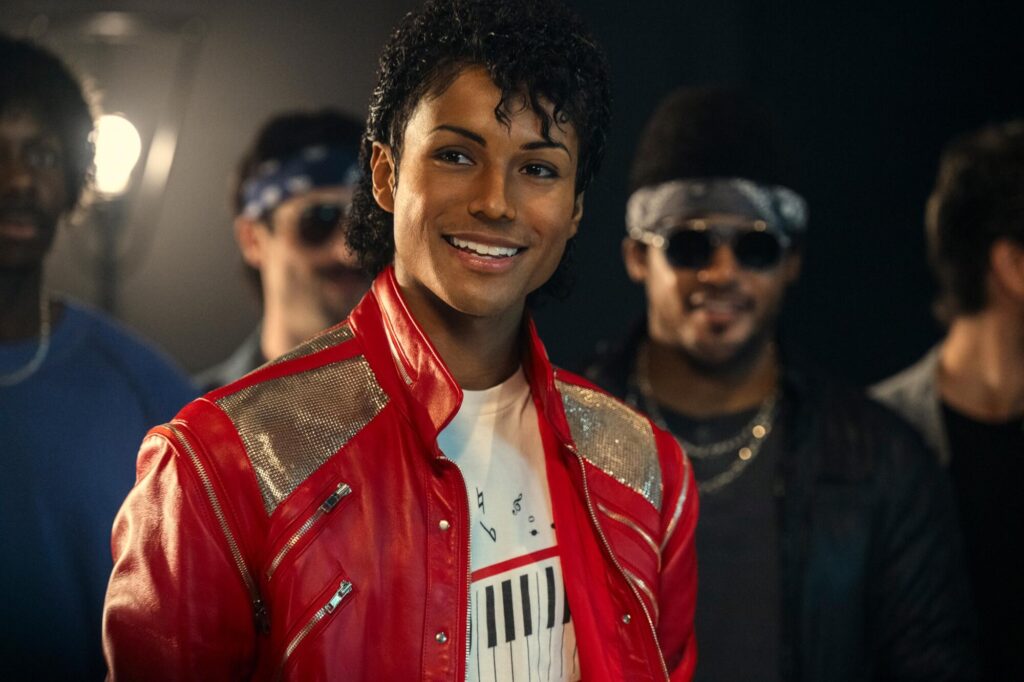
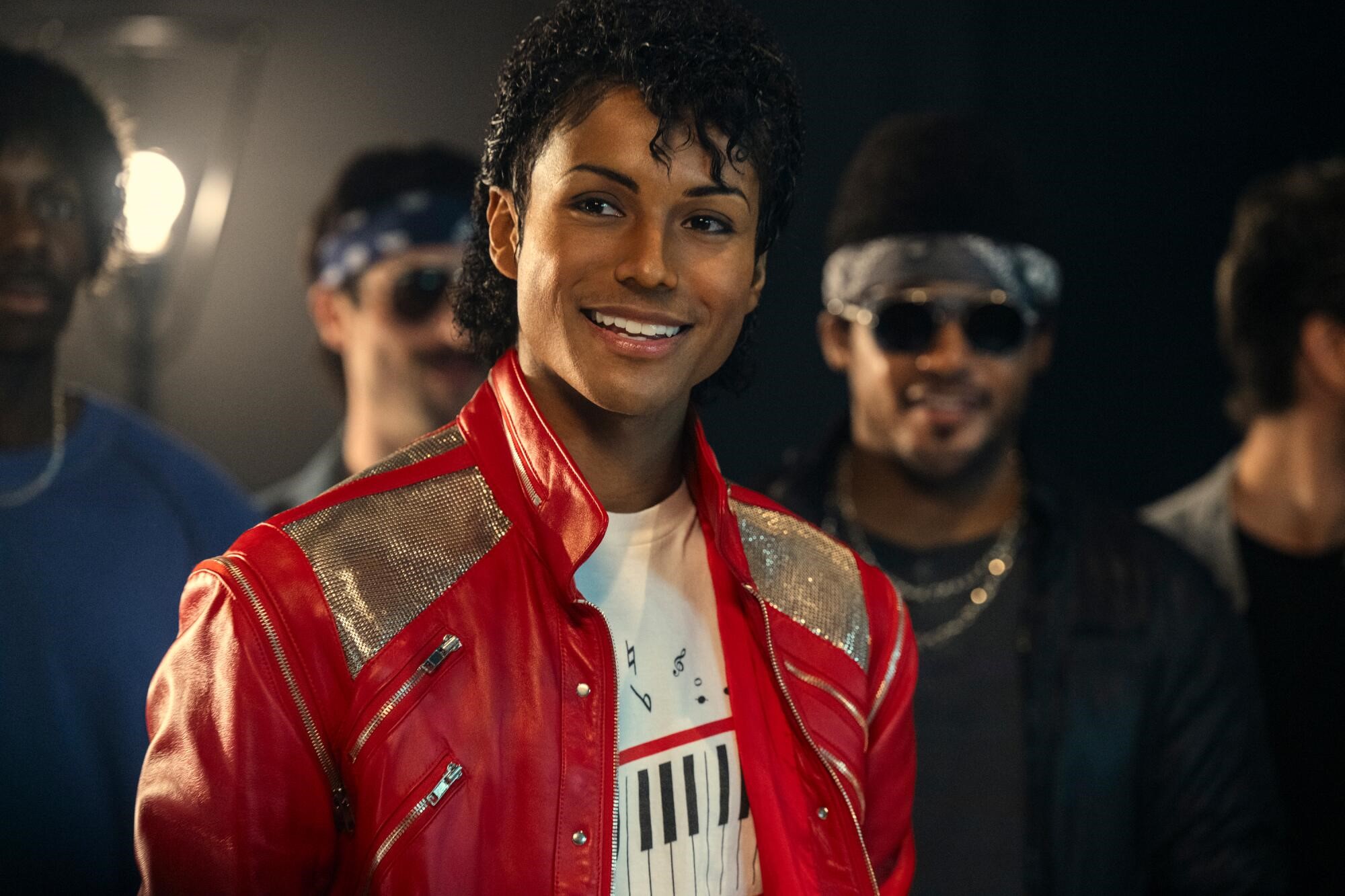
The clearest theatrical headline was the opening of Michael. Antoine Fuqua’s Michael Jackson biopic launched with about $97 million domestically and $217.4 million worldwide, setting a new opening-weekend high for a music biopic. Whatever people thought about the film creatively, the commercial message was obvious: audiences showed up in a very big way.
That matters beyond one opening weekend. Big biopics have always depended on the gap between critical conversation and audience curiosity, and Michael turned that gap into a real advantage. The film arrived with controversy, mixed reviews, and a complicated production history, yet still behaved like a major event. In practical terms, that makes it one of the strongest proof points of the year that recognizable real-life figures can still pull blockbuster-sized attention when the marketing lands.
2. The Paramount–Warner deal cleared a major hurdle
The biggest industry-business story of the week was Warner Bros. Discovery shareholders approving the proposed roughly $110 billion merger with Paramount Skydance. Reuters reported that shareholders backed the deal, while also voting against related executive compensation packages in an advisory vote. The merger still faces regulatory scrutiny, but this was a major step forward.
This is the sort of development that does not always dominate fan conversation but could shape Hollywood far more than a trailer drop. A merger of this size would affect competition, studio strategy, distribution power, and the overall balance of the media business. So even though it does not have the instant pop-culture punch of a big franchise reveal, it was absolutely one of the most important movie-industry stories of the week.
3. The Devil Wears Prada 2 stepped back into the conversation
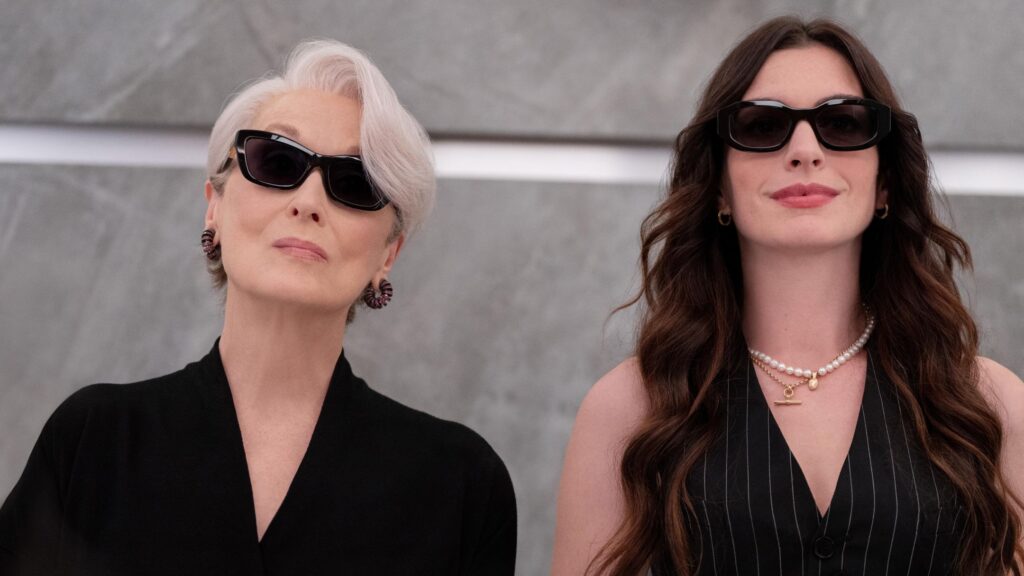
One of the week’s biggest pop-culture stories was the renewed attention around The Devil Wears Prada 2. Reuters coverage around the London premiere framed the sequel as a return not just to fashion and familiar characters, but to a story shaped by a transformed media world and the uncertainty of the current moment. That angle helped the movie feel like more than a basic nostalgia replay.
That is why the sequel stood out. It is obviously trading on affection for the original, but it is also trying to update its appeal by tying itself to the collapse of old media glamour and the instability of the digital era. With Meryl Streep, Anne Hathaway, Emily Blunt, and Stanley Tucci all back in the conversation around the project, it became one of the week’s most discussed headline-friendly studio stories.
4. Practical Magic 2 used nostalgia exactly the way Warner wanted
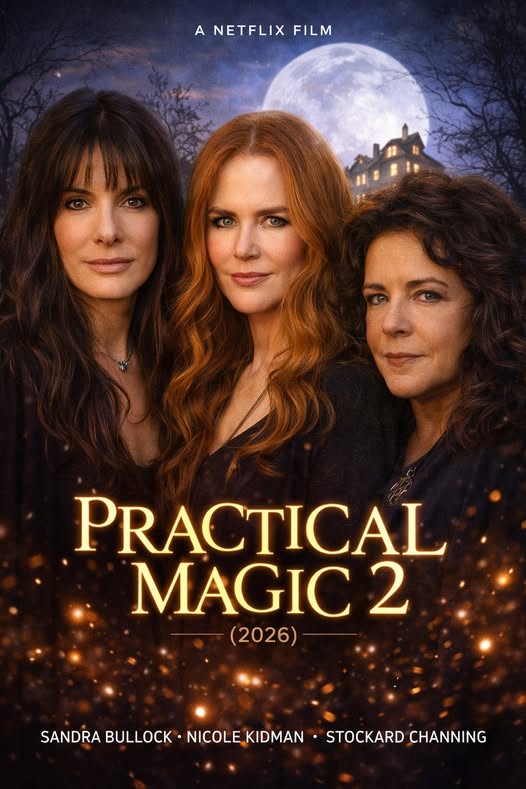
Warner also kept Practical Magic 2 in the news cycle with a teaser that reunited Nicole Kidman and Sandra Bullock as the Owens sisters 28 years after the original film. That is exactly the kind of studio move that works in a weekly recap: not the year’s biggest story, but definitely one of the week’s most visible and easy-to-share pop-culture moments.
More importantly, it showed how much value studios still see in selective nostalgia plays. Practical Magic was never a giant franchise machine, which is part of why the sequel announcement and teaser felt different from the usual IP churn. This was aimed less at “everyone” and more at viewers who have kept affection for the original alive over time. As a result, it landed with a warmer and more personal kind of buzz than many larger franchise announcements do.
5. The Clueless sequel series hit a stop sign at Peacock
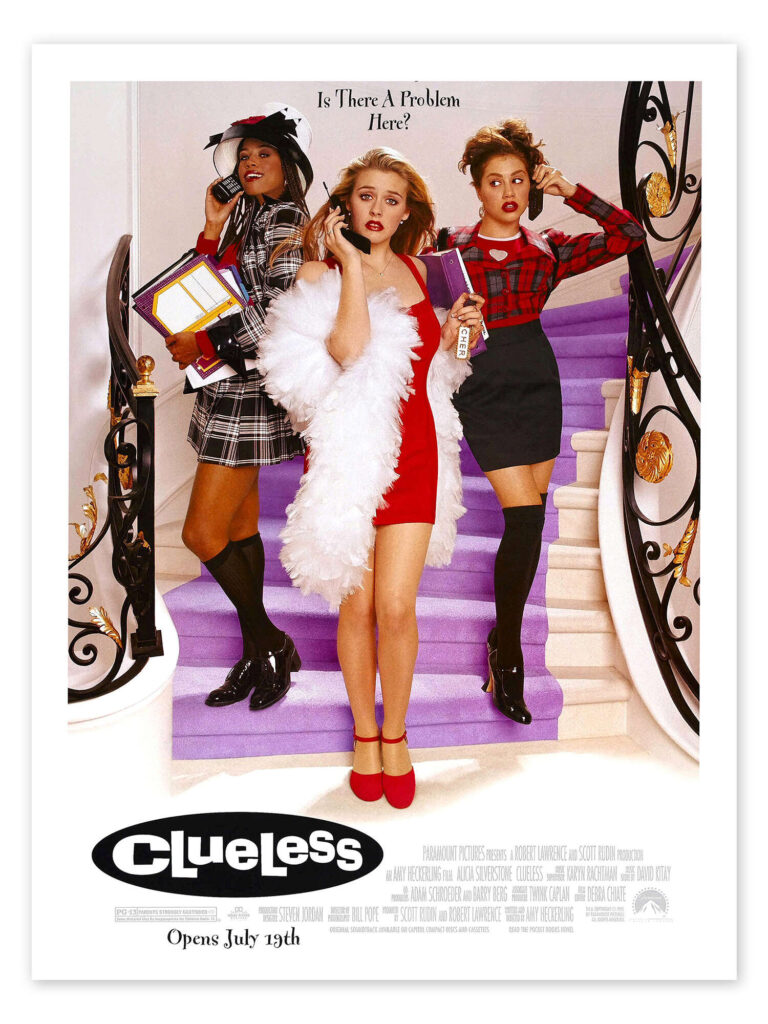
On the TV side, the most notable negative update of the week was that the Clueless sequel series with Alicia Silverstone returning as Cher is no longer in development at Peacock. Both Variety and Deadline reported the project had stalled there, even though it may still be shopped elsewhere. For now, though, Peacock is out.
That makes it one of the more interesting reminders of the week: nostalgia alone is not enough. Legacy follow-ups are still attractive on paper, but streamers are clearly being more selective about which revivals actually deserve full commitment. So while Practical Magic 2 gained momentum, Clueless showed the other side of the equation — recognition helps, but it does not guarantee survival.
The takeaway
If there was a theme this week, it was recognition versus risk. Michael showed that a familiar real-world icon can still drive massive theatrical turnout. The Devil Wears Prada 2 and Practical Magic 2 proved that legacy IP remains one of Hollywood’s safest ways to generate attention. The Clueless update showed that not every revival makes it through development. And the Paramount–Warner vote was a reminder that the biggest long-term shifts in Hollywood may happen in boardrooms just as much as on screens.
So no, this was not the loudest week of 2026. But it was a revealing one. It showed where audiences are still spending, where studios still feel safest, and where the industry itself may be heading next.
