
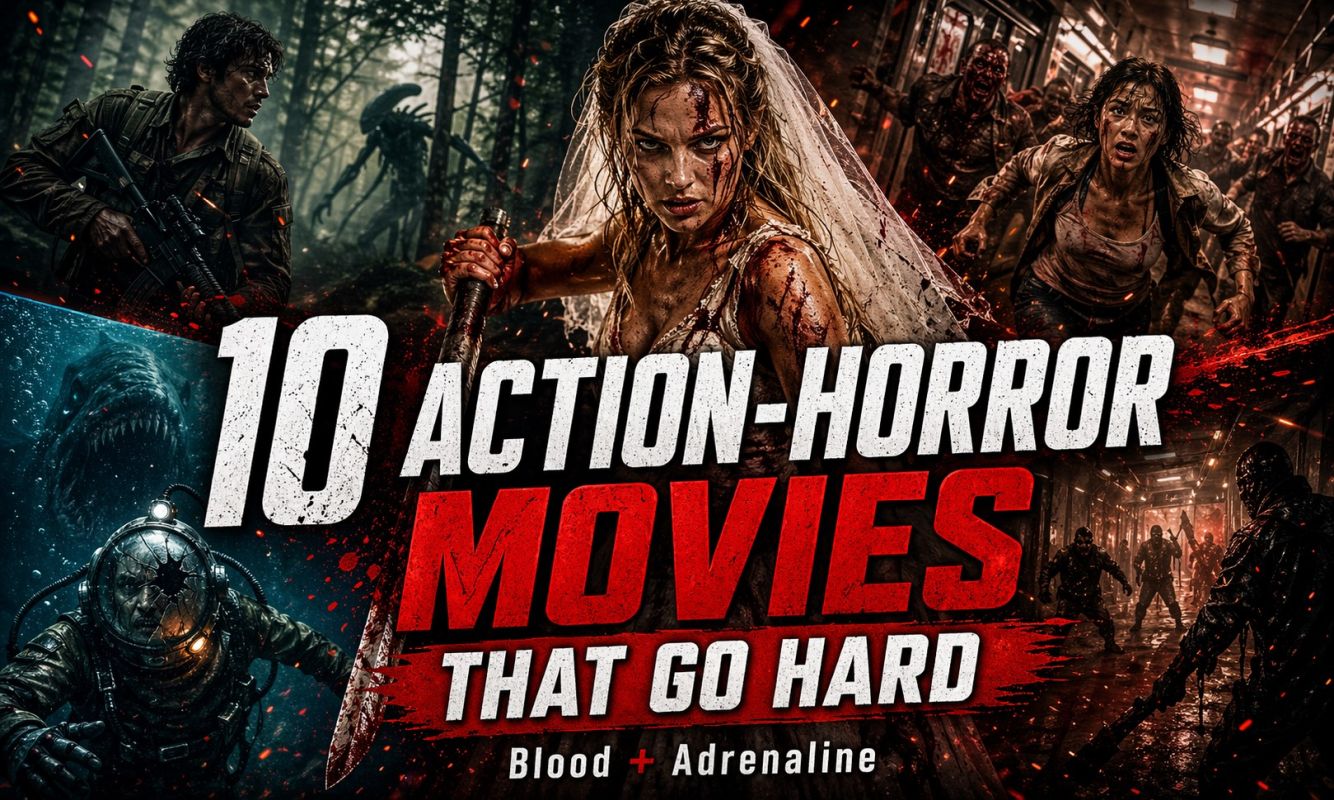
Some horror movies creep up on you. Others just kick the door in.
That is what great action-horror does. It does not rely only on atmosphere, dread, or slow-burn unease. It puts characters in motion and keeps them there. They run, fight, barricade, crawl, improvise, and bleed their way forward while the movie keeps tightening the pressure. The best ones do not give you time to settle. They turn survival into momentum and momentum into fear.
That is exactly why this corner of the genre hits so hard. When horror and action are fused properly, every chase matters more, every injury lands harder, and every bad decision has consequences immediately. It is not just scary. It is exhausting in the best way.
These are 10 action-horror movies that absolutely go hard — films built on blood, movement, panic, siege energy, creature chaos, and pure survival pressure.
10. Underwater (2020)
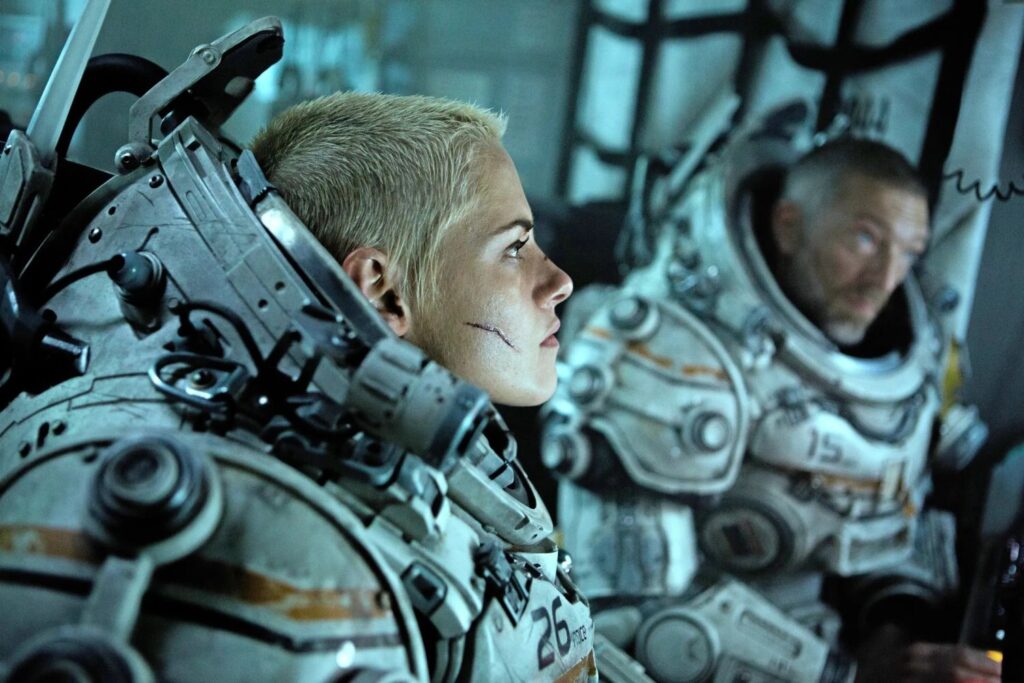
Underwater earns its place immediately because it skips the warm-up and goes straight to disaster.
The movie opens in full catastrophe mode. A deep-sea drilling station starts collapsing, alarms are blaring over each other, and the environment turns lethal before the audience has even fully settled in. There is no patient buildup here. No long introduction designed to make you comfortable. The movie starts by telling you that comfort is over.
That is a huge part of why it works as action-horror. The ocean itself feels like the primary threat long before the creatures fully arrive. Pressure can crush you. Darkness can swallow you. Damaged suits and limited oxygen turn every step into a problem. The characters are not just hiding from a monster. They are navigating an environment that clearly wants them dead.
Kristen Stewart helps sell that tension. She does not play the material like a polished action lead. She looks tired, stressed, and physically worn down, which makes the danger feel more immediate. By the time the creatures hit, the movie already has you.
Why it hits: relentless environmental pressure, fast escalation, and panic that never really settles.
9. Overlord (2018)
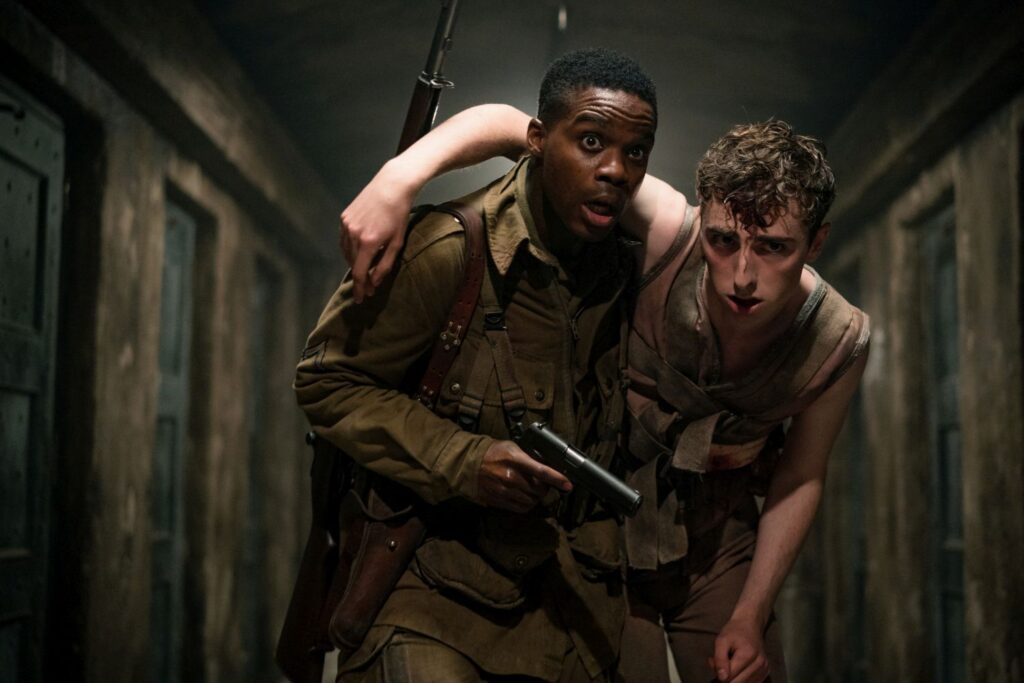
Overlord feels like a war movie that gets infected halfway through and refuses to slow down after that.
The opening paratrooper drop is already brutal enough to work as a standalone nightmare. Bodies are burning, planes are ripping apart, and soldiers are falling through darkness before the horror angle even fully kicks in. Then the movie adds monstrous experimentation on top of all that chaos and somehow gets meaner.
What makes Overlord stand out is how aggressively it escalates. It never wastes too much time explaining itself or slowing down for lore-heavy detours. It understands that once the premise is in place, the real job is pressure. Gunfights become survival scenes. Close-quarters combat becomes body horror. Human enemies turn into grotesque forces that absorb punishment and keep moving.
The violence is a major part of the appeal. It feels heavy, ugly, and physical. Nothing about it is elegant. That messiness gives the movie a nasty edge that fits the action-horror blend perfectly.
Why it hits: war-film intensity, creature chaos, and physical violence that feels genuinely punishing.
8. Upgrade (2018)
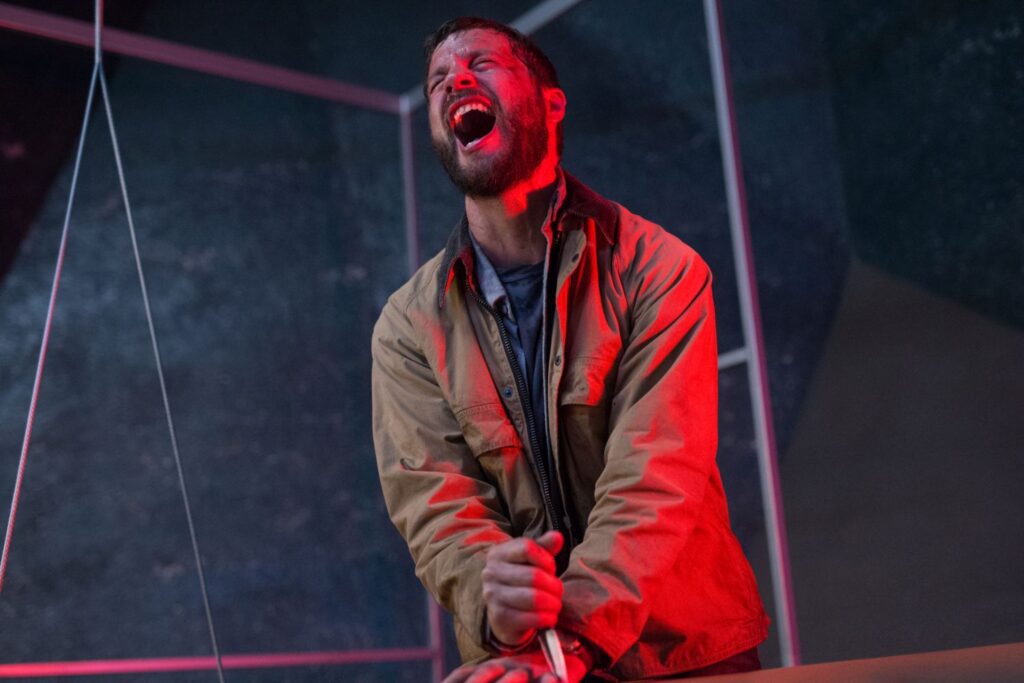
Upgrade is one of the most uncomfortable movies on this list, and that discomfort is exactly what makes it work.
The setup is simple and nasty: after a violent attack leaves him paralyzed, a man receives an experimental AI implant that restores his mobility. But the movement no longer looks fully human. That is the key. The action is impressive, but it is also wrong. The body moves too cleanly, too fast, too mechanically, like it is following instructions the mind has not approved.
That loss of control turns every fight into something more disturbing than a standard revenge thriller. The camera locks into the protagonist’s motion in a way that makes the action feel stiff, surgical, and predatory. Bones snap. Knives land fast. Bodies drop before there is time to process what just happened.
That is why Upgrade lands so well in action-horror territory. The fights are thrilling, but every win feels corrupted. The film keeps asking a nasty question: what does it mean to survive if your body no longer fully belongs to you?
Why it hits: body horror, AI dread, and action scenes that feel thrilling and disturbing at the same time.
7. Train to Busan (2016)
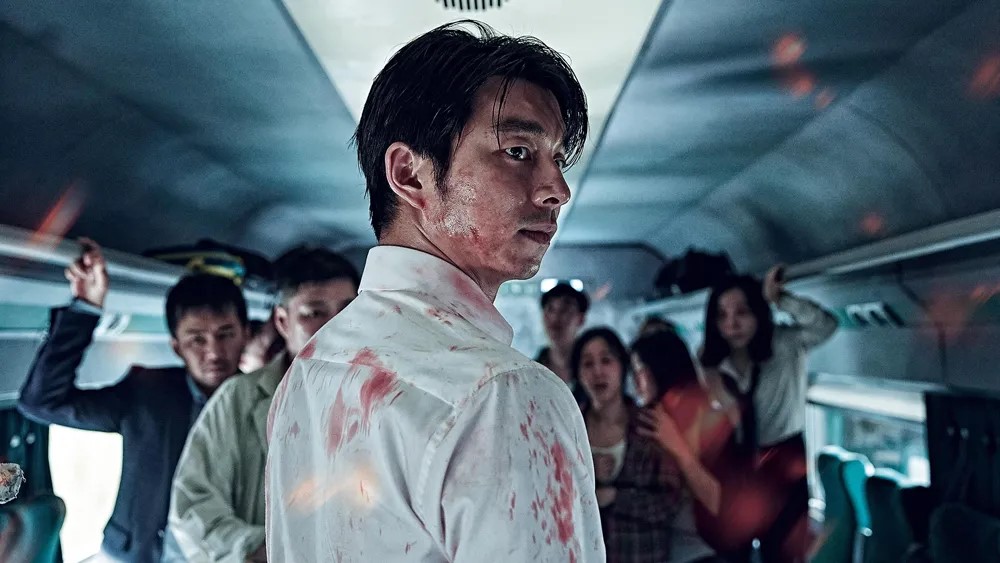
Few zombie movies move like Train to Busan.
Once the outbreak fully begins, the film becomes a nonstop pressure machine. The train setting is what makes the whole thing sing. It forces movement, restricts options, and turns every new carriage into a fresh tactical problem. There is nowhere to breathe for long, nowhere to properly regroup, and nowhere to run except forward into the next bad situation.
That narrow geography is a huge strength. Instead of sprawling chaos, the movie gives you controlled panic. Locked doors, narrow aisles, glass barriers, luggage, and human bottlenecks all become part of the tension. Characters cannot simply outrun the problem. They have to think, react, protect each other, and improvise constantly.
The emotional stakes help too. The action is not there just to look cool. Every charge through a train car and every desperate barricade carries emotional weight because people are trying to save someone, not just survive alone. That keeps the movie human even while it is sprinting.
Why it hits: incredible pacing, tight space-based tension, and zombie action with real emotional payoff.
6. Dawn of the Dead (2004)
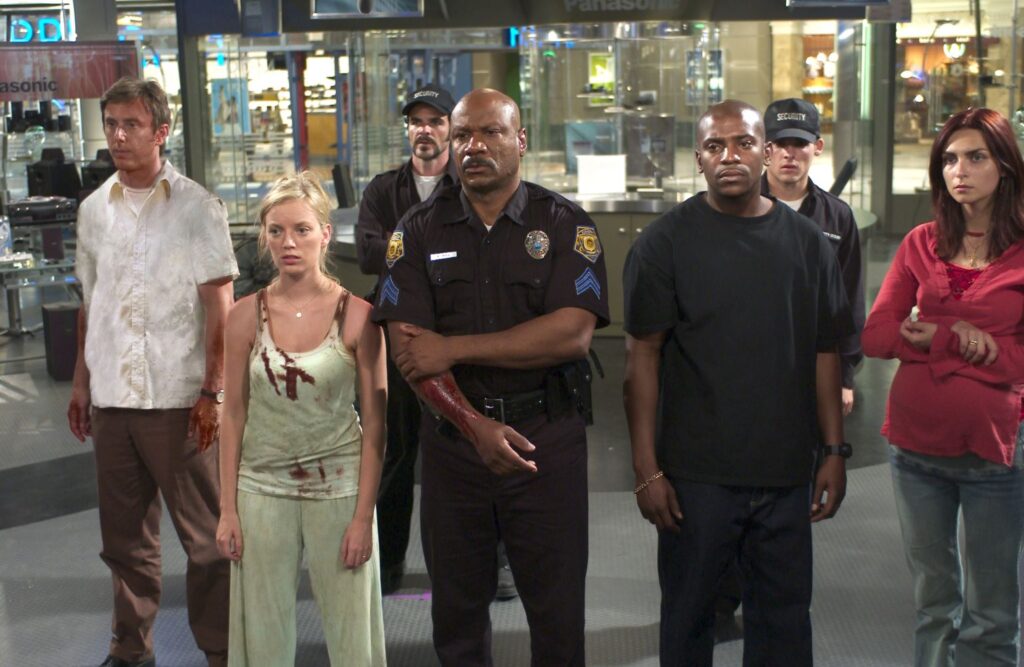
Zack Snyder’s Dawn of the Dead remake understood something instantly: fast zombies change everything.
The opening alone still hits like a panic attack. Normal suburban life collapses almost immediately into screaming, flames, confusion, and total systemic failure. That early burst of chaos sets the tone for the rest of the film, which never really lets the pressure disappear.
The mall setting is one of the movie’s smartest tools. It starts as a possible refuge, then slowly turns into a siege zone. The longer the characters stay there, the more the place feels temporary, brittle, and doomed. That shift gives the movie strong momentum because every plan feels like it is only buying time.
What really makes it work as action-horror is sustained urgency. The fast infected force movement and bad decisions. There is no comfortable version of survival here. Standing still feels dangerous. Escape attempts fail loudly. Hope keeps getting replaced by damage control.
Why it hits: fast-zombie chaos, siege tension, and some of the best sustained panic energy in modern horror.
5. The Hunt (2020)
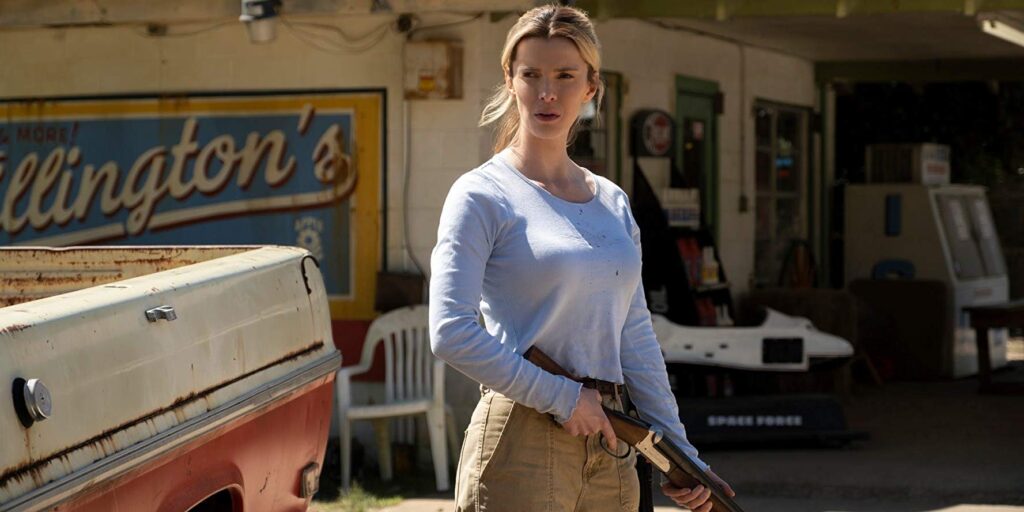
The Hunt is cruel, fast, and weirdly efficient.
It throws people into a deadly scenario and almost immediately starts killing them off, which tells you right away not to expect safety or conventional movie logic. The film weaponizes unpredictability. People you assume matter suddenly do not. Scenes you expect to stretch out end brutally fast. That instability gives the whole movie a nasty little charge.
As it narrows into a more focused survival story, the movie gets even sharper. Ambushes, traps, reversals, and blunt-force violence keep the tension moving, and the action scenes land because they are clean and immediate rather than bloated. It never tries to romanticize the violence. It just lets it happen fast and cold.
That tone gives The Hunt a distinct edge. It sits somewhere between action-thriller and savage social horror, but the engine underneath it is still survival pressure. You are always waiting for the next turn, and the movie knows exactly how to exploit that.
Why it hits: unpredictability, sharp survival action, and a mean streak that keeps the tension alive.
4. Predators (2010)
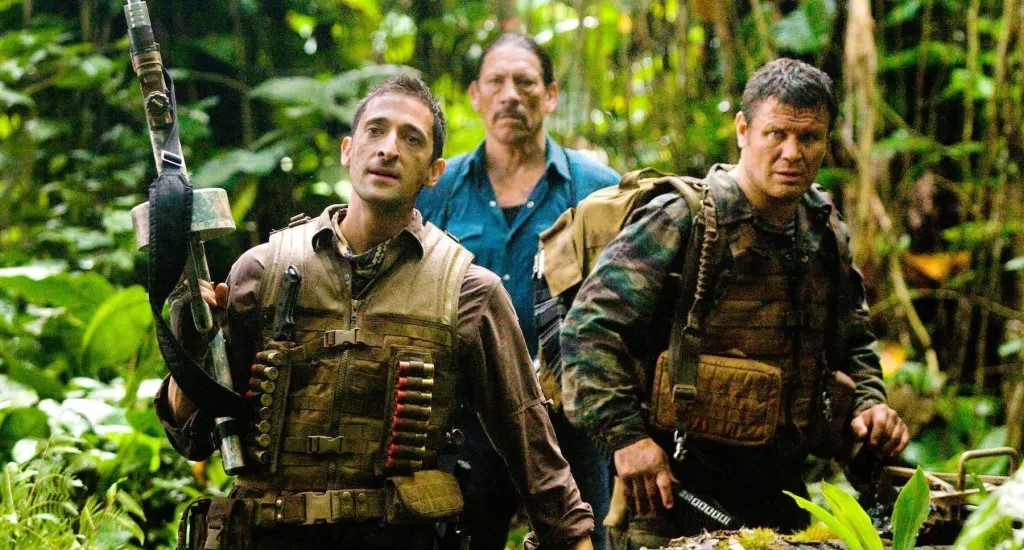
Predators works because it does not try to outsmart the premise. It understands the assignment and goes hunting.
The setup is strong from the jump: elite killers wake up in an alien environment and realize they are not the predators this time. They are prey. That reversal gives the movie its entire identity, and it uses it well. The jungle becomes a living trap filled with ambush angles, vertical movement, and constant uncertainty about where the next threat will come from.
What makes the action click is the tactical feel. This is not just a barrage of random attacks. It is about positioning, baiting, observing, and countering. Humans and predators are both trying to read the battlefield, which gives the action a smart, chess-match quality without making it feel overly technical.
It also helps that the movie respects physical danger. Wins feel costly. Encounters feel tense. The characters are not invincible, and the film knows survival thrillers work best when every decision could make things worse.
Why it hits: jungle survival, tactical action, and a franchise concept stripped down to its most efficient form.
3. Green Room (2015)
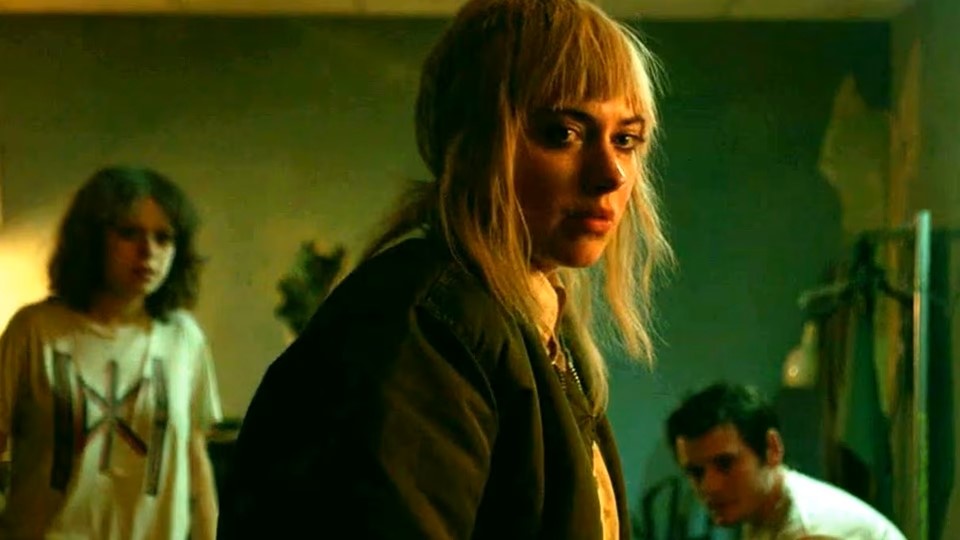
Green Room is one of the most stressful action-horror films of the last decade, maybe because it never feels like it is exaggerating anything.
The premise is brutally simple. A punk band witnesses something they should not have seen and gets trapped inside a venue controlled by violent extremists. From there, the movie becomes a siege thriller with horror-level dread and no interest in making the violence look cool.
That realism is exactly why it goes so hard. Every injury matters. Every bad decision echoes. Characters do not get heroic resets after traumatic moments. They deteriorate. They panic. They bleed. They make desperate choices because the movie has trapped them in a situation where desperation is logical.
The action is claustrophobic and nasty. Doorways become battle lines. Hallways become kill zones. Every movement feels risky. There are no giant spectacle set pieces, but the tension is so concentrated that it hits just as hard as many larger action-horror movies.
Why it hits: siege terror, realism, and violence that feels genuinely permanent.
2. Prey (2022)

Prey is one of the cleanest examples of a franchise remembering what actually made it dangerous.
Set long before the events of the original Predator, the film follows Naru, a young Comanche hunter trying to prove herself while something far more advanced begins stalking the land. What makes the movie work so well is focus. It strips the concept down to the essentials: one hunter, one monster, one brutal contest of adaptation and survival.
That simplicity makes the action stronger. Running, climbing, hiding, tracking, and improvising all matter. Nothing feels thrown in just for spectacle. Every confrontation is rooted in terrain, preparation, and the reality of physical disadvantage. When Naru is hurt, the film lets that hurt matter. When she learns, the film lets that learning matter too.
The Predator benefits from that same stripped-down approach. It feels threatening again not because it is louder, but because it is observant, tactical, and relentless. Watching it test patterns and adjust to human behavior adds another layer of dread to the action.
Why it hits: primal survival tension, smart action design, and a protagonist you genuinely root for.
1. Ready or Not (2019)
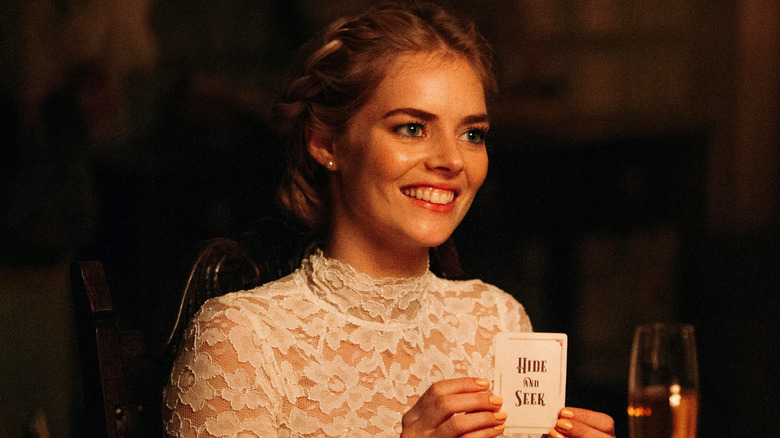
Ready or Not takes the top spot because it understands balance better than anything else here.
It is funny, vicious, chaotic, and constantly escalating, but it never loses the survival core that makes the whole thing work. A bride is hunted through a mansion by her wealthy in-laws during what should have been her wedding night, and the movie turns that setup into a full-on combat nightmare.
The reason it lands so well as action-horror is progression. The violence gets messier. The characters get more desperate. The mansion becomes a war zone. Injuries pile up and actually matter. Grace does not glide through the movie like an untouchable final girl. She gets battered into survival mode, and that physical deterioration makes the escalation feel earned.
The film also knows how to keep moving. Every chase leads to another complication. Every brief pause feels temporary. It has comedy, yes, but the comedy never softens the danger. It sharpens the absurdity of the situation while the movie keeps tightening the screws.
Why it hits: perfect momentum, escalating survival chaos, and one of the best action-horror balancing acts in modern genre cinema.
What These Action-Horror Movies Understand
The best movies in this lane all understand the same basic rule: movement creates fear.
They do not treat action like decoration. They use it as the horror delivery system. Characters are forced to make decisions under pressure, navigate hostile spaces, deal with accumulating damage, and survive situations that keep getting worse in real time.
That is why these films hit differently from standard slow-burn horror. They are not trying to unsettle you gradually. They are trying to crush your nerves through momentum.
And when that formula works, it really works.
Final Ranking
- Ready or Not (2019)
- Prey (2022)
- Green Room (2015)
- Predators (2010)
- The Hunt (2020)
- Dawn of the Dead (2004)
- Train to Busan (2016)
- Upgrade (2018)
- Overlord (2018)
- Underwater (2020)
