


Joe Swanberg is officially back in the indie conversation.
His new film, The Sun Never Sets, has landed U.S. theatrical distribution through Independent Film Company and Sapan Studio, fresh off its SXSW premiere. For a lot of directors, that would simply be a normal release update. For Swanberg, it carries more weight, because this is being framed as his first feature in nearly a decade — and a return from one of the names most closely tied to the American mumblecore and microbudget indie scene.
The film stars Dakota Fanning, Jake Johnson, and Cory Michael Smith, with supporting cast members including Debby Ryan, Anna Konkle, Lamorne Morris, and Karley Sciortino. Swanberg wrote, directed, produced, and edited the film, which already gives it that handmade indie identity his earlier work was known for. The SXSW listing also credits Eon Mora as cinematographer, with Swanberg handling editing himself.
The premise sounds exactly like the kind of emotionally messy relationship material that fits Swanberg’s wheelhouse. The Sun Never Sets follows Wendy, played by Fanning, whose life is thrown off balance when her older, divorced boyfriend Jack, played by Johnson, asks for space to evaluate their relationship. During that break, Wendy runs into her ex, Chuck, played by Smith, creating a volatile triangle built around unresolved feelings, awkward timing, and complicated adult choices.
That may sound small on paper, but that is also the point. Swanberg’s strongest work has often lived in the tiny shifts between people: uncomfortable conversations, unfinished emotional business, and characters who are old enough to know better but still bad at handling desire, disappointment, and vulnerability. The Sun Never Sets seems to return to that territory, only with a more recognizable cast and a clearer theatrical path.
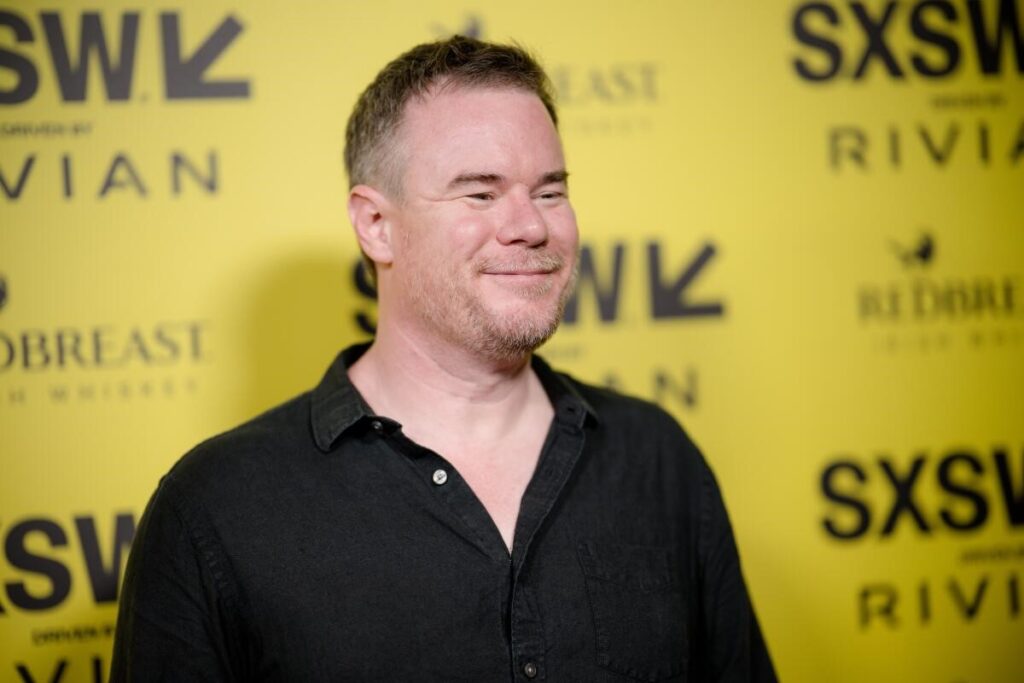
The distribution deal is also important because it gives the film a real route beyond the festival bubble. A lot of SXSW titles can generate a few strong reactions and then disappear into the long waiting room of independent release. Here, the path is more concrete: Independent Film Company and Sapan Studio are planning a U.S. release, while Deadline also reported separately that the film is heading to the Cannes market through Capture Entertainment for international sales.
For Indie Corner, this is the kind of story worth watching because it sits at the intersection of several useful threads: a known indie filmmaker returning after a long break, a festival title finding distribution, and a relationship drama trying to move from SXSW buzz into actual theatrical life. It is not a blockbuster story, and it does not need to be. It is a reminder that American indie cinema still has room for small, actor-driven films that rely more on tension, chemistry, and emotional discomfort than on scale.
Swanberg’s return may not dominate the mainstream movie conversation, but for indie film followers, The Sun Never Sets looks like one of those quiet releases that could matter more than its size suggests. It has the cast, the festival launch, the distributor, and the personal-director angle. Now the real test is whether that can translate into audience attention when the film reaches theaters.
