

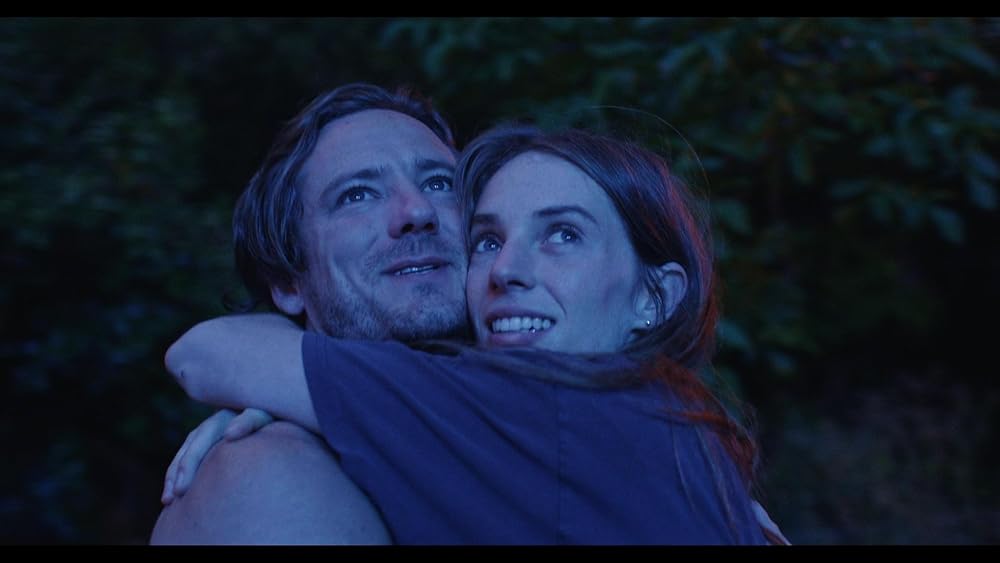
Independent film had two very different but connected stories last week: one encouraging, one more uncomfortable. On the good-news side, Sony Pictures Classics acquired worldwide rights to Wishful Thinking, the SXSW-winning indie starring Maya Hawke and Lewis Pullman. On the bigger-picture side, IndieWire published a sharp commentary arguing that indie film does not simply have a “movie problem” — it has an audience architecture problem. Together, those stories say a lot about where independent cinema is right now.
Wishful Thinking is the more traditional news hook. Written and directed by Graham Parkes, the film won the SXSW Narrative Feature Competition Jury Prize, and Sony Pictures Classics is now planning a 2027 theatrical release. Deadline describes it as a film starring Hawke and Pullman, while Screen Daily also notes that the cast includes Randall Park, Jake Shane, Amita Rao, Eric Rahill, Kate Berlant, and Kerri Kenney-Silver.
That is exactly the kind of indie story people like to see: a festival title breaks through, gets critical attention, wins a prize, and then lands with a respected specialty distributor. For Wishful Thinking, the path looks clean. SXSW gave it credibility. The recognizable cast gives it broader audience appeal. Sony Pictures Classics gives it a real release pipeline.
But that is also why the IndieWire piece feels relevant. The article argues that independent film’s problem is not necessarily that audiences do not exist. The problem is that the system often does not build a strong enough bridge between the films and the people who might actually want to see them. In other words, making a good indie movie is only one part of the job. Finding, preparing, and converting the audience is now just as important.
That makes Wishful Thinking a useful example. On paper, it has a better chance than most smaller films: a festival win, a distributor with history in specialty cinema, and actors with name recognition. But even that may not be enough in today’s indie market. A 2027 theatrical release gives the film time, but it also means the campaign has to keep interest alive long after the SXSW buzz fades.
That is the bigger lesson for Indie Corner. The indie sector is not dead, but it is more demanding than before. A film can win at a festival and still need careful positioning. A distributor can acquire it and still need to explain why regular viewers should care. And audiences may be out there, but they rarely appear by magic.
So Wishful Thinking is good news — but it also underlines the challenge. Independent films can still break through, especially when they have the right mix of festival heat, cast appeal, and distribution support. The next question is whether the industry can do a better job turning that momentum into actual viewers.
