


Christopher Nolan’s The Odyssey dominated Hollywood conversations last week, turning premium-format ticket sales into a digital stampede and reigniting debate about the future of theatrical moviegoing. As audiences rushed to secure scarce IMAX 70mm seats weeks before release, Netflix Film Chairman Dan Lin was making headlines of his own by signaling that the streamer has little interest in filmmakers who insist on theatrical releases.
Together, the week’s biggest stories highlighted the industry’s ongoing battle over where movies belong.
Christopher Nolan’s The Odyssey Breaks Demand Expectations
The Odyssey took a major step forward this week after receiving an R rating from the Motion Picture Association, making it Nolan’s second wide-release R-rated film after Oppenheimer. With a reported budget of around $250 million, the adaptation of Homer’s epic poem could become the most expensive R-rated movie ever made.
The rating is hardly surprising given the source material, which includes brutal warfare, violence and mythological encounters. Yet it was not the rating that generated the most attention.
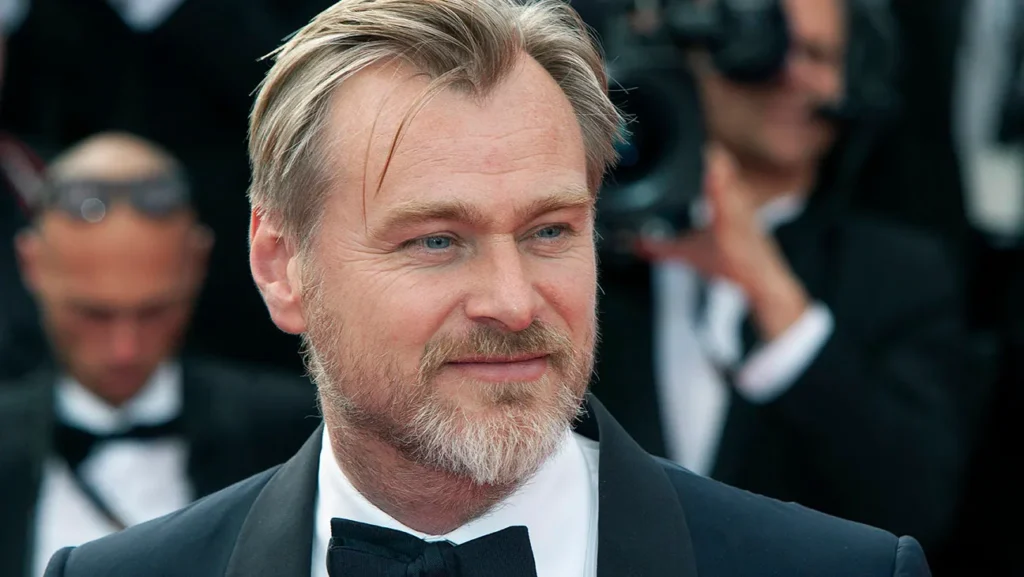
The true spectacle was the overwhelming demand for tickets. On Thursday, premium-format screenings went on sale and immediately overwhelmed ticketing platforms. AMC’s app struggled under the surge, forcing many customers into lengthy virtual queues, while Fandango experienced similar issues as moviegoers scrambled for seats.
Part of the excitement stems from Nolan’s commitment to presentation. The Odyssey is the first feature film shot entirely on IMAX 70mm using newly developed camera technology created specifically for the production. The film’s official trailer website even allows audiences to compare six different aspect ratios, demonstrating how much of the image is lost as viewers move away from the premium format.
Because only around 40 cinemas worldwide can properly project IMAX 70mm, securing tickets has become something of an event in itself. While some critics argue that the format creates an exclusive experience available to only a small audience, demand suggests moviegoers remain eager to seek out unique theatrical experiences.
Adding to the momentum, the American Cinematheque announced a three-week 70mm engagement at Los Angeles’ historic Village Theatre beginning July 17, one of the venue’s final major screenings before it closes for an extensive renovation.
Netflix Draws a Harder Line on Theatrical Releases
While Nolan’s film was making a powerful case for cinemas, Netflix appeared to move further in the opposite direction. The streamer paused pre-production on Antoine Fuqua’s historical epic Hannibal, starring Denzel Washington as the legendary Carthaginian military commander. The project, which had reportedly been preparing to shoot in Italy with a budget near $200 million, is now on hold while Netflix and the filmmakers reassess its financial scope.
The decision arrived during the same week that Netflix Film Chairman Dan Lin discussed the company’s approach to filmmaking in a profile with The New York Times. Lin was notably direct when addressing the industry’s theatrical-versus-streaming debate, stating that there are filmmakers who continue to prioritize theatrical releases and that Netflix has accepted it simply will not work with some of them.
The comments mark a contrast with the strategy pursued under former film chief Scott Stuber, who spent years cultivating relationships with major auteurs and accommodating theatrical ambitions when possible. Under Lin, Netflix appears increasingly focused on fewer projects, tighter budgets and commercially reliable genres.
That does not mean theatrical releases have disappeared from Netflix’s plans. Greta Gerwig’s Narnia adaptation and David Fincher’s The Adventures of Cliff Booth are still expected to receive theatrical engagements before arriving on the service. However, Lin’s remarks suggest the company is less interested in negotiating around theatrical expectations than it was in previous years.
Festival Season Shifts Attention Toward Awards Contenders
Away from the streaming debate, the festival circuit officially began setting the stage for the next awards season. The Hollywood Foreign Press Association opened submissions for the 84th Annual Golden Globe Awards on June 1, marking the first major milestone of the awards calendar.
Meanwhile, the Tribeca Festival launched its 25th edition in New York with Questlove’s Earth, Wind & Fire documentary, followed by a live performance from the band and The Roots. The event quickly established a music-focused identity, with high-profile premieres including Julian Schnabel’s In the Hand of Dante, starring Oscar Isaac, Al Pacino, John Malkovich and Jason Momoa.
Across the Atlantic, SXSW London opened its second edition with Virginia Woolf’s Night and Day, Tina Gharavi’s adaptation of Woolf’s 1919 novel starring Haley Bennett. Other notable premieres included Peter Glanz’s Savage House, Olivia Wilde’s The Invite and Jane Schoenbrun’s Teenage Sex and Death at Camp Miasma.
While festivals traditionally serve as launchpads for awards contenders, this year’s opening week also reflected an industry searching for its next direction.
Takeaway
The week’s biggest stories all pointed toward the same question. Christopher Nolan’s The Odyssey generated enough excitement to overwhelm ticketing platforms weeks before release, demonstrating the enduring appeal of the theatrical experience when audiences believe an event is worth leaving home for.
At the same time, Netflix signaled that its future remains firmly rooted in streaming, even if that means parting ways with filmmakers who prioritize cinemas.
Read Next >>>> The Best New Movies on Netflix Right Now (June 2026)- Top 10 Picks
From blockbuster action and prestige dramas to crowd-pleasing comedies, we’ve rounded up the 10 best movies currently available on Netflix in June 2026—and which ones deserve a spot at the top of your watchlist.
Read our full ranking of the best new movies on Netflix here.
