


The week of May 18 to May 24 revealed an industry leaning heavily on familiarity. Across Hollywood and Cannes alike, studios, streamers, and financiers continued placing their biggest bets on recognizable names, proven filmmakers, and existing audiences.
Lionsgate Builds Momentum Through Familiar Hits

Lionsgate had one of the strongest weeks in Hollywood after reporting fourth-quarter earnings that exceeded expectations. Revenue climbed to $906.5 million, while the studio reversed net losses into a $70.2 million profit. Adjusted earnings and operating income also reached their highest levels in years.
Much of that success came from The Housemaid, which reportedly earned close to $400 million worldwide. Instead of using the momentum to pivot toward riskier projects, Lionsgate immediately doubled down on the same formula that stabilized its finances.
The studio moved The Resurrection of the Christ Part One to an Ascension Day release in May 2027, positioning it as a direct continuation of The Passion of the Christ. It also confirmed that Jim Caviezel would not return, with Finnish actor Jaakko Ohtonen stepping into the lead role.
At the same time, Antoine Fuqua’s Michael continues gaining momentum at the box office and could reportedly approach the $1 billion mark globally. Lionsgate has already followed that success by moving ahead with projects like Michael 2, and a sequel to The Housemaid.
The trend extends beyond traditional studios. Netflix is also leaning on established recognition with The Adventures of Cliff Booth, directed by David Fincher and starring Brad Pitt, returning audiences to the world of Once Upon a Time in Hollywood.
Cannes Continues Betting on Auteur Filmmakers
At the Cannes Film Festival, recognizable filmmakers remained just as valuable as recognizable franchises.
Jury President Park Chan-wook drew attention with a joking remark about finally receiving an “award” from Cannes despite never winning the Palme d’Or. But beyond the humor, Park left the festival with major momentum after Warner Bros. label Clockwork acquired North American rights to his upcoming thriller The Brigands of Rattlecreek, reportedly carrying a budget above $60 million.
The acquisition highlighted how studios increasingly treat acclaimed directors as long-term investments.
Cate Blanchett’s Film Fund Returns
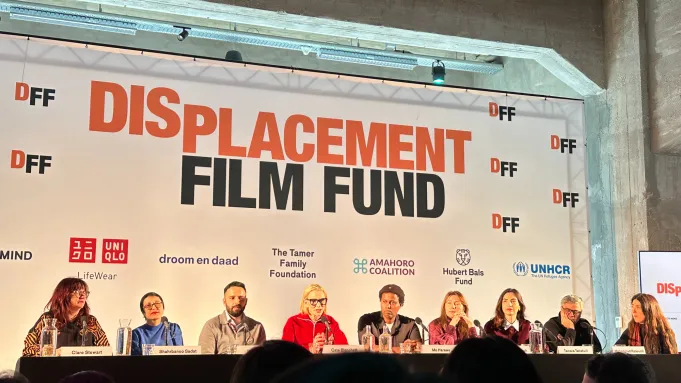
One of Cannes’ quieter announcements came from Cate Blanchett, who returned as a UNHCR Global Goodwill Ambassador to launch the second cohort of the Displacement Film Fund.
Created with the International Film Festival Rotterdam’s Hubert Bals Fund, the initiative supports filmmakers telling stories centered on displacement and refugee experiences. Five filmmakers received €100,000 grants for short films expected to premiere at IFFR 2027.
Blanchett stressed that the initiative focused on storytelling rather than political messaging, emphasizing cinema’s ability to create empathy and nuance.
French Cinema Pushes Back
While Blanchett attempted to separate film from politics, Cannes itself became increasingly political.
The open letter “Zapper Bolloré” gained major traction during the festival, criticizing businessman Vincent Bolloré’s growing influence over French media through Canal+ and its stake in exhibition giant UGC.
Concerns intensified after reports that Canal+ CEO Maxime Saada warned producers the company might stop working with signatories supporting the petition. The backlash quickly expanded beyond France, with names like Javier Bardem, Mark Ruffalo, and Yorgos Lanthimos publicly joining the movement.
By the end of the week, the petition had reportedly grown from 600 signatories to nearly 3,800 film professionals worldwide.
For all the premieres and acquisitions, the week ultimately revealed a film industry becoming increasingly cautious. Whether through sequels, trusted directors, or expanding media control, the business continues leaning toward familiarity as its safest path forward.
The Takeaway
The clearest pattern across this week’s developments is the industry’s growing dependence on familiarity. Lionsgate is leaning further into the sequels and recognizable titles that helped restore its financial stability.
Similarly, Netflix continues expanding established cinematic worlds by pairing known properties with trusted filmmakers like David Fincher. At Cannes, even prestige cinema reflected the same instinct. Clockwork’s major investment in Park Chan-wook was not simply a gamble on a single film, but on the consistency of a filmmaker whose reputation already carries cultural and commercial value.
The developments signal more exciting weeks and months to come in the film industry.
