


Independent filmmaking is facing a difficult moment, but filmmakers, platforms, and exhibitors are also looking for ways forward. From Tim Blake Nelson’s warning about the state of independent drama to Indieo’s proposed filmmaker-first ecosystem and Canadian exhibitors’ fight for greater programming flexibility, recent developments show both the pressure on independent cinema and the industry’s efforts to keep films reaching audiences.
Tim Blake Nelson Warns of a Growing Issue for Independent Film
Independent filmmaking has rarely been more difficult, according to actor, writer and director Tim Blake Nelson. Speaking at a TIFF Director Spotlight conversation presented by TheWrap, Nelson reportedly said, “It has never been this bad” for independent dramas, even as he acknowledged signs that the market may be improving.
Nelson’s experience with his latest indie drama, The Life and Deaths of Wilson Shedd, which premiered at the 2026 Toronto International Film Festival, illustrates the problem. He said it took more than a dozen years to get the film made after writing its first draft around 2013. Despite packaging the project with recognizable actors, he struggled to attract financing and investor interest.

The challenge, Nelson said, is intensified by a shrinking pool of buyers and studios increasingly focused on a filmmaker’s most recent commercial performance. Independent projects are competing for fewer sources of finance, while investors are becoming more cautious about films that are socially ambitious but difficult to market.
Still, Nelson does not see independent cinema as hopeless. He pointed to filmmakers including Brady Corbet, Mona Fastvold, Zach Cregger and Ari Aster as examples of directors making distinctive work that audiences still want to see. The contraction of the market, he suggested, may force filmmakers to create films that are more memorable and give audiences a reason to return.
Indieo Wants to Build a New Ecosystem for Independent Filmmakers
Indieo, an independent-film platform, is taking a different approach to the problems facing filmmakers by attempting to bring the separate parts of the filmmaking business into one system. Founded by Sam Brittan, Tony Hite and Bobby Cloud, with CTO Will Bulka, the platform aims to connect filmmakers with audiences, theatres, investors, sponsors, educators and industry professionals.
The founders argue that independent filmmakers currently navigate separate, gate-kept systems for education, funding, production, distribution, theatrical exhibition, audience growth, sponsorship, merchandising and analytics. Indieo is designed to connect those areas while giving filmmakers more control over how their films are presented and monetized.

The platform also wants to simplify the relationship between festivals, theatres and filmmakers. Brittan described a system in which a theatre could discover a film at a local festival and book it for its audience without navigating the traditional sales process.
Tony Hite reportedly said anyone can sign up, as they have kept the barrier to entry low. The company does not promise that every film will become a hit, but argues that filmmakers should have more opportunities to find audiences and earn money from their work. The platform was being discussed with filmmakers during TIFF as Indieo worked toward building its ecosystem.
Canadian Indie Theatres Face Barriers to Showing More Homegrown Films
Independent cinemas in Canada are facing another problem: getting more Canadian films onto their screens. The Network of Independent Canadian Exhibitors, which represents about 140 independent exhibitors, is calling on studios to rethink “full-show commitments”, agreements that can require a cinema to dedicate every time slot on one screen to a single movie for a set period, sometimes as long as four weeks.
For small, one-screen cinemas, these arrangements can make programming other films difficult. NICE found that full-show commitments were a factor in 44 of 185 decisions not to book a Canadian film among 16 Ontario cinemas studied between February 6 and March 26. That represented 23.8% of those decisions.
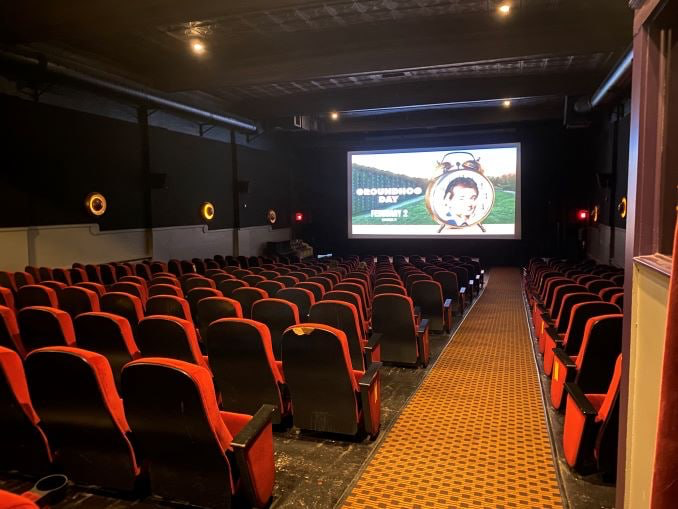
The group also found that cinemas without such commitments booked Canadian titles at four times the rate of those operating mostly under them. However, the report identified audience appeal and lack of awareness as even more common reasons for Canadian films not being programmed. Audience appeal was cited in 41.6% of decisions, while lack of awareness accounted for 34.6%.
Independent cinemas earned about 60% of the Canadian-film box office in 2025, despite accounting for only about 16% of Canada’s total box office, according to NICE. Canadian films generated $13.9 million domestically that year, down 40.9% from 2024, while their share of total box office fell to 1.7%, according to Telefilm Canada.
The findings suggest that supporting independent cinema requires more than producing films. It also depends on flexible exhibition practices, audience-building, and a distribution system that gives domestic and independent work a genuine opportunity to be seen.
