

Think about the last time a film genuinely stayed with you, not the explosions or spectacular set pieces, but the films that left you lying awake in the quiet dark, feeling something you could not quite name. The ones that put words and images to something you had always sensed about the world but never quite knew how to articulate.
Now think of ten films that have done that for you. Then look them up. Chances are, several were independently produced, or were made by filmmakers who began their careers in independent cinema.
The reason is simple: big studio films are built to reach as many people as possible. That scale comes with certain expectations: familiar structures, recognisable characters, proven formulas. Independent films have more room to be specific. A filmmaker can make something simply because the story matters to them, even when it does not fit neatly into a commercial category.
You might watch a story about grief told through an Irish folk tradition, and have no connection to that world at all. Yet somehow, the emotion still reaches you. That kind of specificity is one of the things independent cinema does best. It is also one of the reasons independent filmmakers need audiences willing to look beyond the obvious places.
Independent cinema is the part of the film industry most devoted to that kind of honesty. It is also the most financially unstable. Independent films reportedly receive only 17% of global film funding each year, yet they account for 95% of all films produced, and that gap has been consistent for decades.
Despite this, many independent filmmakers pour their own savings into their work, operate on budgets so small they are forced to be inventive in ways major productions never are, and deliver results that often outmatch films made with ten times the resources. That specificity is what makes them feel irreplaceable. It is also what keeps the broader film ecosystem from growing stale.
To borrow James Baldwin’s iconic line on love, “The world of resonant cinema is held together, really it is held together, by the love and the passion of a very few people.” That makes supporting it feel less like charity and more like something worth doing.
If you are reading this, you can help. And the good news is that most of what helps is not far removed from what you already do.
1. Amplify on Social Media
You already follow celebrities, critics, and film accounts across your social feeds. Adding an independent filmmaker you admire to that list costs nothing. But make it an active follow, not a passive one.
Leave a real comment, not just a like. Share their posts to your feed or story. Tag a friend who you know shares your taste in films, or a community you know would care about what the filmmaker is making.
Once you have seen the film and it has stayed with you, share that. Turn on notifications so you catch early press releases, poster drops, and screening announcements. Use and tag their production hashtags when you talk about upcoming releases in film communities.
These may look small from your end, but it does something useful. Every comment, share, and tag signals to social media algorithms that the content is worth recommending further, which extends the organic reach of trailers and announcements without the filmmaker needing to spend money on paid advertising.
For an independent filmmaker with no marketing budget, that kind of organic momentum is worth a significant amount. And a filmmaker with a vocal, engaged online following is also considerably more attractive to distributors, talent agencies, and production companies, who actively look at a filmmaker’s digital presence before deciding whether to back a future project.
2. Subscribe to Their Mailing List, Patreon, or Substack
Not everyone is active on social media, and that is fine. You can support the filmmakers you care about through the platforms you actually use.
Subscribe to their newsletter, Patreon, Substack, or Ko-fi if they have one. These platforms give filmmakers a more direct relationship with their audience, without relying entirely on social media algorithms. You may get behind-the-scenes updates, early announcements, production diaries, or simply a better understanding of the person making the work.
More importantly, you become part of an audience they can reach directly. For independent filmmakers, that kind of connection is valuable because it gives them a little more control over how they build a career and release future work.

3. Leave a Detailed Review on Film Databases
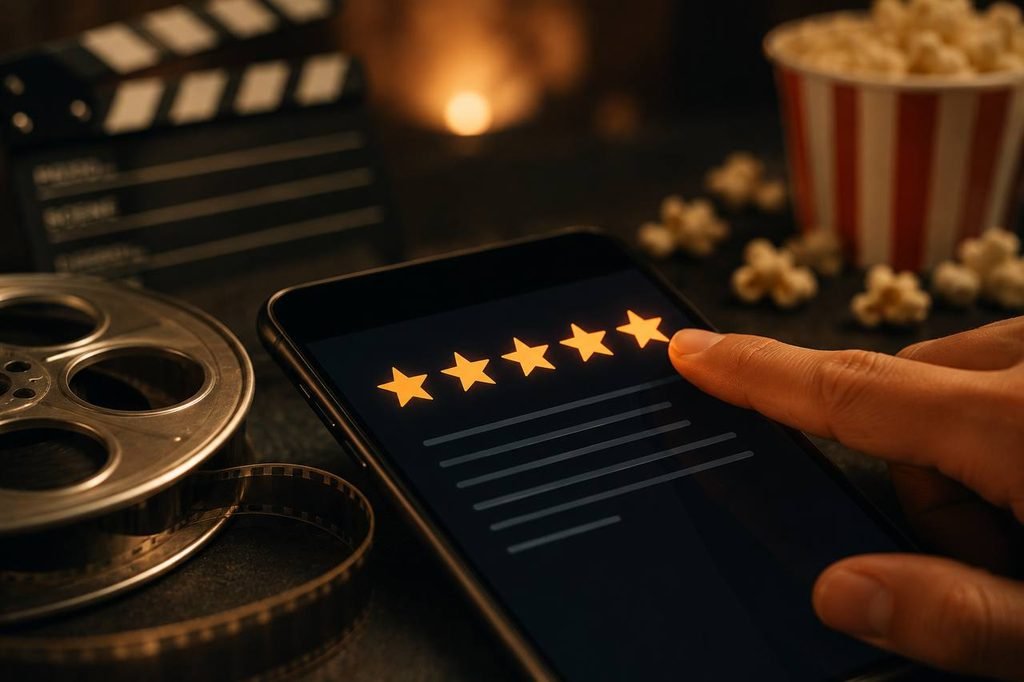
“Good movie” or “a surprising watch” are not reviews. If a film left a mark on you, say what the mark was.
Talk about the performance that surprised you, the scene you keep thinking about, the cinematography that changed the way you understood a moment, or the choice that did not work for you.
Post your thoughts on Letterboxd, IMDb, Rotten Tomatoes, or wherever you normally discuss films. A specific review from a real viewer can do something a star rating cannot: it gives another person a reason to care, and when potential viewers are deciding whether to give an unfamiliar film a chance, those personal recommendations can matter.
4. Recommend the Film in Film Communities
You have seen the film. It has stayed with you. You use it in conversations as a reference. It makes you sound more thoughtful than the occasion required. The next step is as simple as saying the name.
Drop it into recommendation threads on Reddit. Add it to a curated public watchlist on Letterboxd. Bring it up in Facebook film groups or Discord servers. Leave it in the comment section of a film article or blog post that touches on related subjects.
Film communities are full of people actively looking for exactly what that film offers. A genuine recommendation from someone who is connected with the work creates a ripple effect.
5. Organise a Community or Corporate Screening
Independent films do not always have access to traditional theatrical distribution. You can help by creating another opportunity for people to see them.
Approach a library, university club, community centre, or other appropriate venue about hosting a screening. Make sure you obtain the necessary public performance rights or licence before showing the film publicly. A screening also gives the film something a streaming platform cannot: a shared experience.
You are putting independent cinema into spaces where people already live, work, study, and gather. Someone who would never search for an independent film online may still watch one because a friend, colleague, or community organised a screening.
6. Offer Your Professional Skills
You do not need to know how to operate a camera to help make a film. If you are an accountant, you can help with financial administration. If you are a lawyer, you could review contracts. A designer could help with a poster or pitch deck. A web developer could help build a landing page.
Independent filmmakers often have to do several jobs at once. Someone offering a useful professional skill can remove one responsibility from their plate and allow them to focus more fully on the creative work.
It can also improve the project itself. A strong contract, professional promotional materials, or sound financial structure can make a difference when a film reaches distributors, festivals, collaborators, or investors.
7. Watch Through Official Platforms
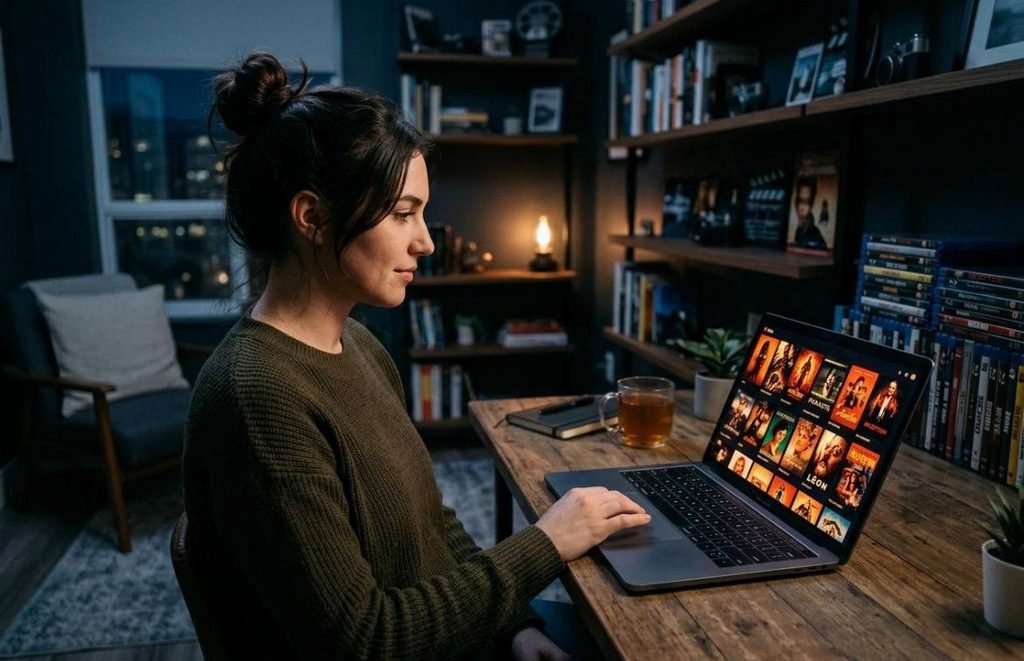
Not every independent film gets a theatrical release. So, when an independent film is available, watch it through the official platform. That could mean MUBI, the Criterion Channel, Tubi, a major streaming service, or another legitimate distributor. Avoid unofficial links.
If you cannot find a film, check whether the platform has a request or suggestion system. You can also let platforms know when there is genuine audience interest in a particular title. The important thing is not simply that you watched the film. It is that your viewing contributes to the legitimate audience data surrounding it.
For an independent filmmaker, a streaming deal can provide both income and exposure to viewers they could never reach alone.
8. Rent or Buy the Film Directly
If the filmmaker sells or rents the film directly, consider using that option. Direct purchases can allow a larger portion of your payment to reach the filmmaker than arrangements involving multiple layers of distribution.
Where available, look for the filmmaker’s own storefront or legitimate direct-to-viewer services such as Vimeo On Demand or Google Play.
For a filmmaker who financed a project personally, one rental or purchase may seem small. Collectively, however, those transactions can contribute to the resources needed to develop the next film.
9. Attend Festival and Online Screenings
If an independent filmmaker’s film is playing at a festival, show up.
Festival attendance is one of the clearest ways an audience can demonstrate that a film deserves attention. Programmers, distributors, and industry professionals pay attention to audience response, and awards or recognition can strengthen a filmmaker’s position when approaching future partners.
Do not overlook short-film programmes or screenings scheduled at less convenient times. These are often the sessions most in need of an audience.
If a festival offers virtual screenings, buying a pass or watching online can also contribute. Your seat, or your virtual attendance, can be part of the evidence that tells the industry there is an audience for this work.
10. Buy Official Merchandise
There is something satisfying about owning a limited-edition piece of merchandise from a film you love. With independent films, that satisfaction comes with additional context. Independent filmmakers sometimes use merchandise to raise money for the project.
A T-shirt, poster, prop replica, or other piece of official merchandise can therefore be more than something you happen to like owning. Revenue may help cover festival submissions, post-production costs, marketing, or other expenses that can determine whether a film moves forward.
If you already love the film, buying something directly from its official store is a simple way to turn that enthusiasm into practical support.
11. Support Crowdfunding Campaigns
Sometimes supporting an independent filmmaker means staying with them for the entire journey from script to screen. Crowdfunding is where that kind of commitment becomes most visible, and it matters for reasons that go beyond the money.
The number of people willing to back a project also demonstrates that there is an audience for it. That evidence can matter when filmmakers approach future investors, collaborators, and distributors.
You do not need to choose the highest contribution tier. Give what you can. If you cannot contribute financially, sharing the campaign with someone who might be interested still helps. Platforms such as Seed&Spark, Indiegogo, and Kickstarter have helped filmmakers raise money for everything from development to production and post-production.
Keeping a project alive is about hundreds of people contributing a little rather than one person contributing everything.
12. Offer Filming Locations or Resources
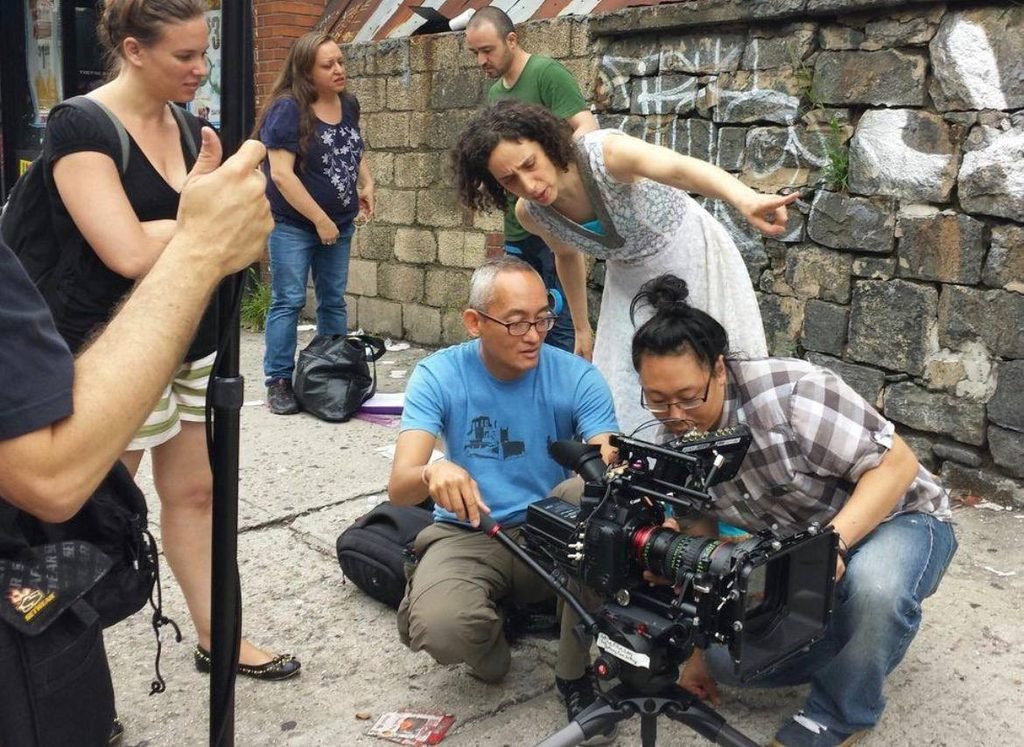
Production design and location costs take up a significant portion of any film’s budget. Independent filmmakers rarely have reserves to draw on when permits and rental fees arrive.
If you have access to a space that could work for a film, a café, warehouse, vehicle, office, backyard, or distinctive property, consider offering it at a reduced rate or, where appropriate, for free.
The value is not just the rental fee the filmmaker avoids. Money saved on a location can go toward equipment, cast, sound, production design, or post-production. A location with character can also give a film a visual identity that would otherwise be difficult to achieve on a small budget. A space you barely think about could become one of the most memorable parts of someone else’s film.
You Are Already Most of the Way There
None of this requires you to become a film industry professional. You already watch films, talk about the ones you love, recommend them to friends, join conversations, and spend money on entertainment.
The shift you will make is small; you will simply have to do some of those things with more intent. There are thousands of independent films being made by people with stories worth hearing. The problem is not always a lack of good work. It’s sometimes simply that the work cannot find its audience, and you can help close that gap.
Start now by exploring independent filmmakers through FilmFreeway, Letterboxd, and Seed and Spark. Follow one filmmaker whose work interests you. Leave one genuine review. Recommend one film you have been sitting on. The river of independent cinema keeps flowing because a relatively small number of people care enough to keep it moving. You can be one of them.
