

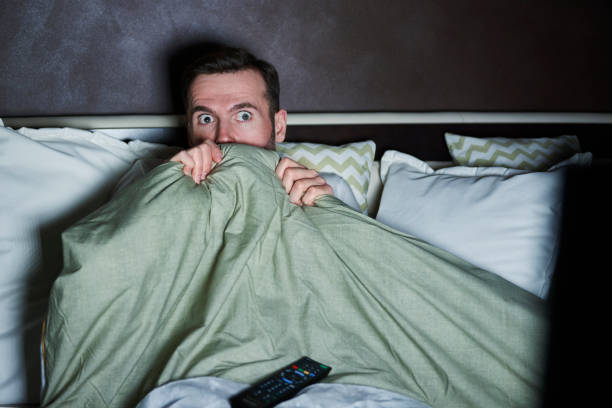
Have you ever been hooked to a horror movie, with sweaty palms, a racing heart, periodic shivers, and goosebumps?
That intense physical reaction, the rush of adrenaline, the fear that forms in the pit of your stomach! This is exactly why this genre exists actually, but can horror movies rot your brain?
Let’s clear the air. Horror movies cannot literally rot your brain, but they can cause physiological responses in the brain. (sweaty palms, racing heart). In this article, we’ll discuss the effects that horror movies tend to have on the mind, and who should avoid seeing these type of movies.
What Happens To The Body
The body is wired to receive voluntary and involuntary responses that are controlled by the nervous system, and the brain plays a central role in nearly all of them. When you see a horror movie, your body reacts involuntarily; This is your psychological response. We all know the usual rush of emotions that we get from seeing a horror movie like The Conjuring: fear, paranoia, and anxiety. All these are triggered by a part of the nervous system called the Sympathetic Nervous System (SNS).
The oxytocin hormone, known as the bonding hormone, evokes feelings of connection. For example, when you watch a scary movie with someone, the gripping of arms, huddling together, and shared screams create a bond through shared fear, which releases oxytocin. As stated earlier the brain is the control unit behind all these reactions. The part responsible for decoding emotions and activating fear responses is called the Amygdala. Imagine the Amygdala as the main smoke detector in your house; its primary function is to detect danger and trigger an alarm immediately.
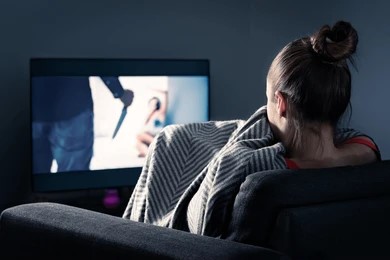
Just like an oversensitive smoke detector, it blasts a false alarm over harmless smoke. That false alarm is your body’s psychological responses: anxiety, tension, and sudden unease.
The Psychological Impact (What the Doctors Say)
Some people frown at the excitement of watching horror movies, while others derive pleasure from it. Neuroscientists discovered that watching horror movies has a positive psychological effect on the body, including relieving stress hormones. When the movie ends, the body releases adrenaline and cortisol.
When the movie ends, your body releases dopamine, which is responsible for the feeling of pleasure and the desire to see more horror movies. It boosts resilience and self-confidence. The bold step you took in watching a threatening horror movie and successfully “surviving” it, you gain a sense of accomplishment.
Psychologists and neuroscientists have found that there are positive effects of watching horror movies, and of course, several downsides to it. The most common downside is sleep disruption, due to fear and memories of the scary scenes. The rush of adrenaline can make it harder to fall asleep, while cortisol can keep your mind alert after the movie ends, and could even extend into becoming paranoid. This can trigger nightmares in some individuals, especially after seeing a movie like A Nightmare on Elm Street.
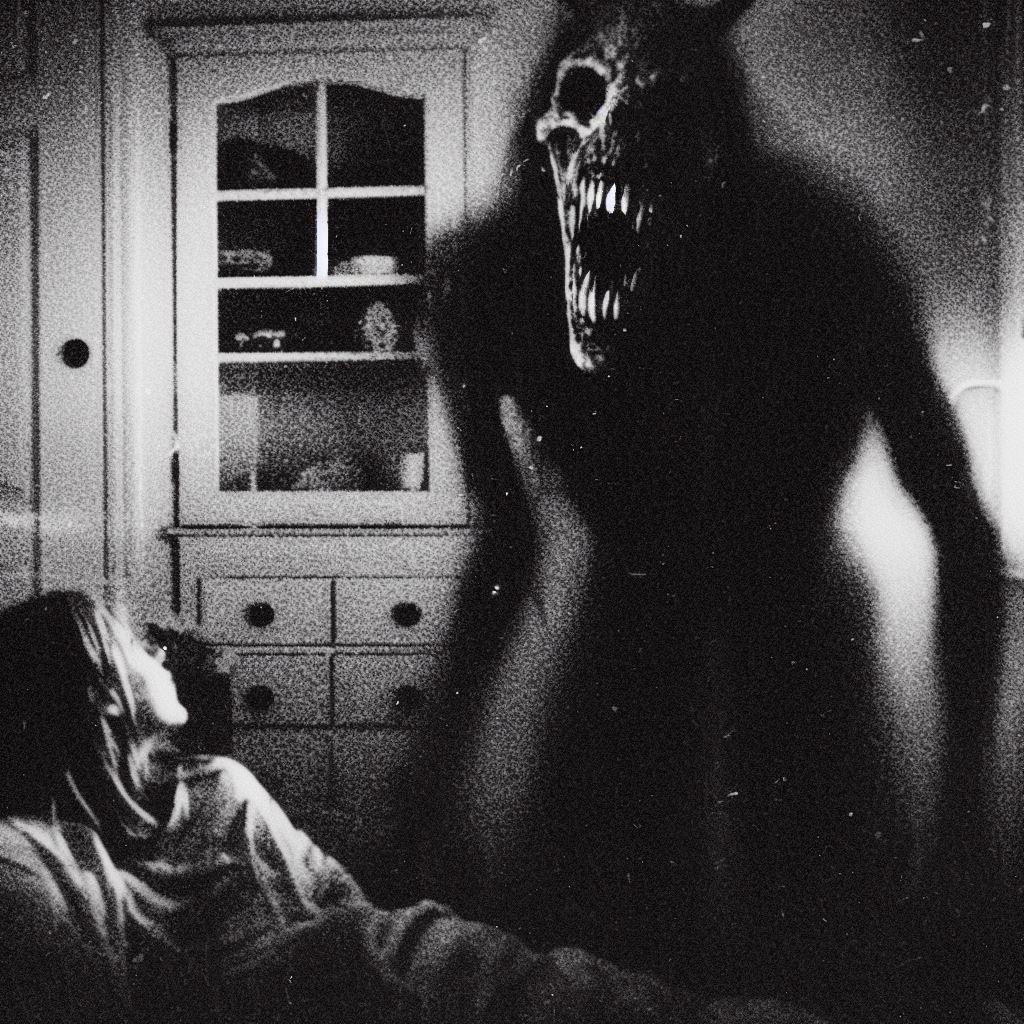
Horror movies can also trigger people with anxiety disorders. It can reopen past traumas and cause severe emotional disorders.
Another long-term effect is that horror movies instill and create fear in you. You could become unintentionally conditioned to associate neutral sounds like footsteps with a feeling of fear and anxiety. This is how phobias can develop; for instance, if someone watches a horror movie in the dark and gets frightened, they may develop a fear of darkness.
Who is Most Likely At Risk
Not everyone is advised to watch horror movies; some people are vulnerable to their effects. Children and young adolescents are in this category; the brains of young children specifically include the prefrontal cortex, which is still developing. They find it hard to differentiate between fantasy and reality.
The onus falls on the parent to establish guidance and control; cartoons and movies should be thoroughly scrutinised and inspected. Parents should avoid watching horror movies with children, as this will leave a scar on their minds. It can traumatize and cause fear in them.
Overly anxious individuals should avoid watching horror movies, as this can trigger memories and traumatic experiences. If you struggle with insomnia, horror movies will only make it worse by disrupting your sleep patterns.
Final Thoughts
As stated earlier, horror movies will not physically rot your brain, but your sanity and sleep might be on the radar if you are not careful. Know your limit; if watching horror increases your anxiety or disrupts your sleep, you can turn it off. It is a good sign of emotional regulation.
You are not a coward for doing so! Fear is a natural body alarm. Learning when to turn it off is wisdom, not weakness. And if you must watch it, avoid doing so two hours before bedtime; your body will be grateful.
