
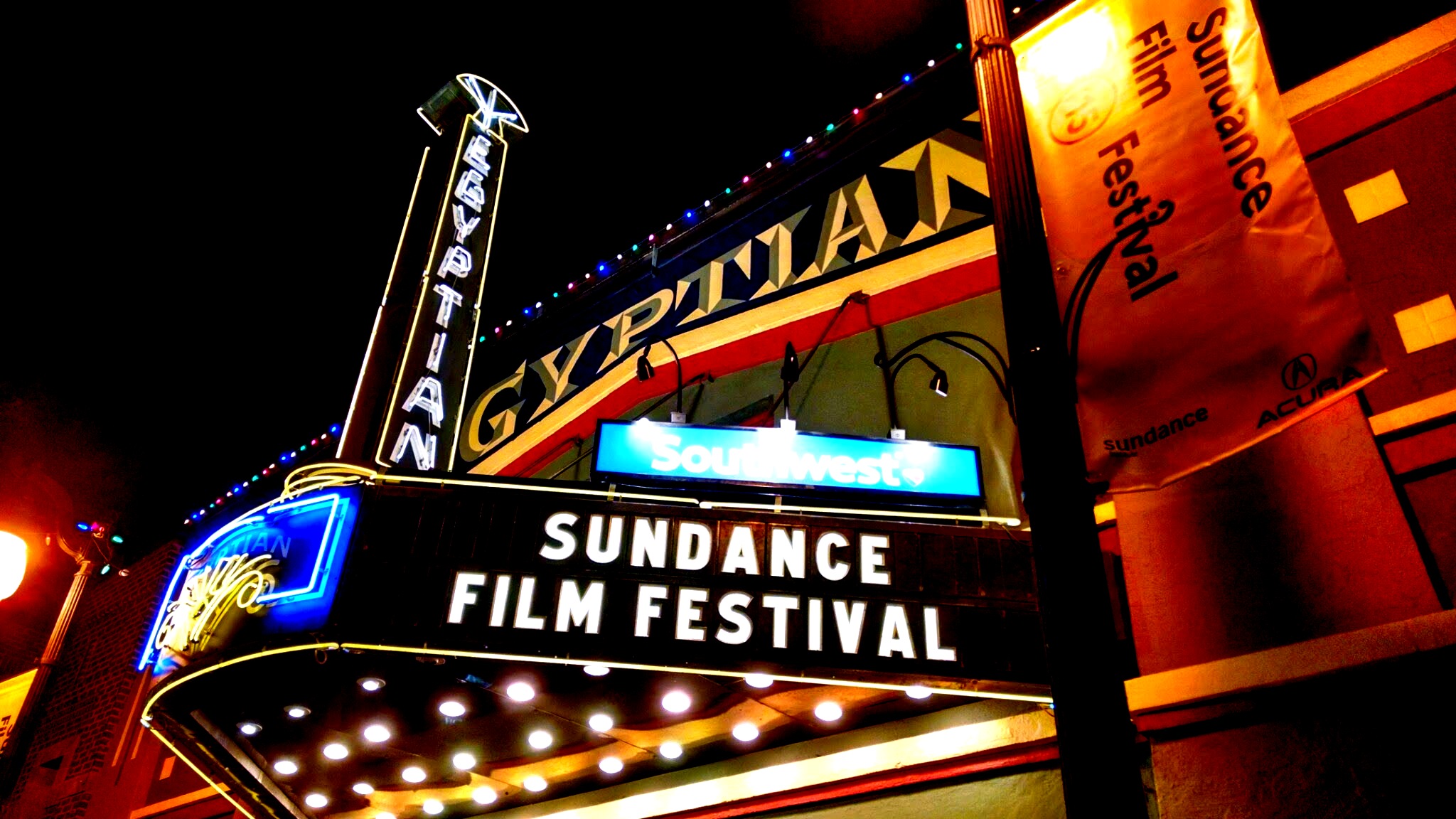
The 2026 Sundance Film Festival may be over, but one of its most important stories is still unfolding. Weeks after the festival wrapped, distributors are still picking up titles, which says a lot about how the indie market works right now. According to IndieWire’s running sales roundup, only about a dozen of the 90-plus features and episodic projects in this year’s lineup had distribution before the festival, and the outlet is still updating its list of films that have sold since Park City.
That slow burn is part of what makes Sundance 2026 interesting. This was the festival’s final edition in Park City before the move to Boulder in 2027, and it arrived at a time when the independent film business is still adjusting to a tougher, more cautious buying environment. Variety reported that this year’s sales market felt slow, even as certain titles continued to attract real heat. In other words, the giant all-night bidding wars that once defined Sundance are no longer the default, but buyers are still very much in the game.

The clearest example is Olivia Wilde’s “The Invite,” which became one of the festival’s major headline deals. Variety reported that A24 won the film after a multi-day bidding war with Focus Features, with the sale valued at more than $12 million. That is the kind of splashy pickup Sundance still needs: a high-profile acquisition that reminds everyone the festival can still launch commercial conversation, not just critical buzz.
But the bigger story may be what happened beneath that headline. Variety also noted that NEON was closing a deal for “Leviticus,” reportedly in the seven-figure range, while films like “Wicker” and “Josephine” were also drawing buyer interest. At the same time, IndieWire’s sales tracker shows more modest but still meaningful pickups continuing into March, including “Cookie Queens,” which was acquired by Roadside Attractions on March 12. That matters because Sundance has always been about more than one breakout title. Its real value is in helping smaller films keep moving after the first burst of festival attention fades.
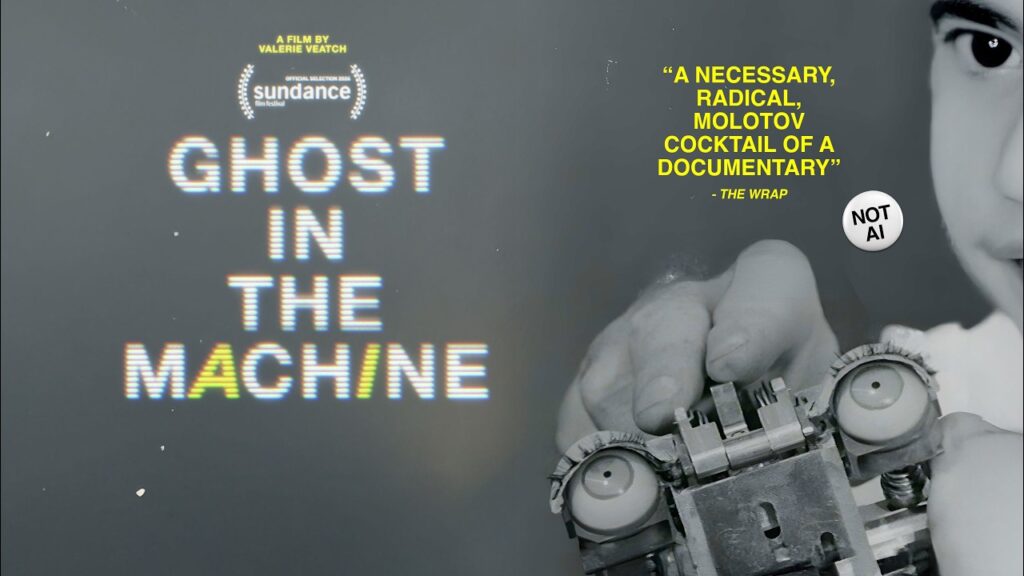
Documentaries are part of that picture too. Deadline reported that the Sundance documentary “Ghost in the Machine,” directed by Valerie Veatch, was acquired by Independent Lens / ITVS in March. That may not sound as flashy as an A24 bidding war, but it is exactly the kind of post-festival deal that gives independent nonfiction a path to audiences. For many Sundance titles, success does not mean a huge theatrical rollout. It means finding the right distributor, platform, or public-media partner that can actually carry the film beyond festival week.
Sundance’s own awards also help explain why buyers keep circling after the event ends. The festival announced “Josephine” as the winner of the U.S. Grand Jury Prize: Dramatic, while “American Pachuco: The Legend of Luis Valdez” took the U.S. Documentary Audience Award and “Nuisance Bear” won the U.S. Grand Jury Prize: Documentary. Recognition like that can extend a film’s life well beyond premiere weekend, giving distributors another reason to take a second look once the early noise settles.
So the real takeaway from Sundance 2026 is not that the market was dead. It is that the market was selective. A few films broke through fast, others kept building momentum more quietly, and several are probably still waiting for the right home. That may be less glamorous than the old gold-rush era of Sundance, but it is also more honest about where indie cinema is in 2026: still alive, still competitive, and still capable of turning festival buzz into real opportunity — just on a slower timeline than before.
