

We all know the classic zombie formula – flesh-eating hordes, apocalyptic survival, and an ever-dwindling group of humans trying to hold it together. But when Asian filmmakers tackle the undead, things get a little… different.
From jumping vampires to surreal bureaucracy and train-bound nightmares, let’s dive into how Asia puts its own terrifying, bizarre, and often genius spin on zombies.
India: Bollywood’s Short-Lived Zombie Experiment
Zombies never had a home in Indian horror. Traditional myths revolved around rakshasas (demons), bhutas (ghosts), and naginis (snake spirits) – but reanimated corpses? Not so much.
That changed in 2013, when Bollywood decided to cash in on the global zombie craze. The result?
Go Goa Gone – A zombie comedy about three office workers who attend a party in Goa, only to find themselves in the middle of a drug-fueled zombie apocalypse, courtesy of Russian gangsters.
But Bollywood’s big zombie push ended as quickly as it began. Other planned films, like Rise of the Zombie and Rock the Shaadi, either bombed at the box office or were never completed.
The one exception? Tamil cinema’s Miruthan (2016) – a more traditional zombie thriller featuring a traffic cop fighting off hordes of the undead. It’s not Bollywood, but hey, it’s something.
For now, though? Bollywood says “no thanks” to zombies.
China & Hong Kong: Jumping Vampires and Bio-Zombies
Forget zombies – the undead of Chinese folklore have a very different vibe. Meet the jiangshi, aka jumping vampires.
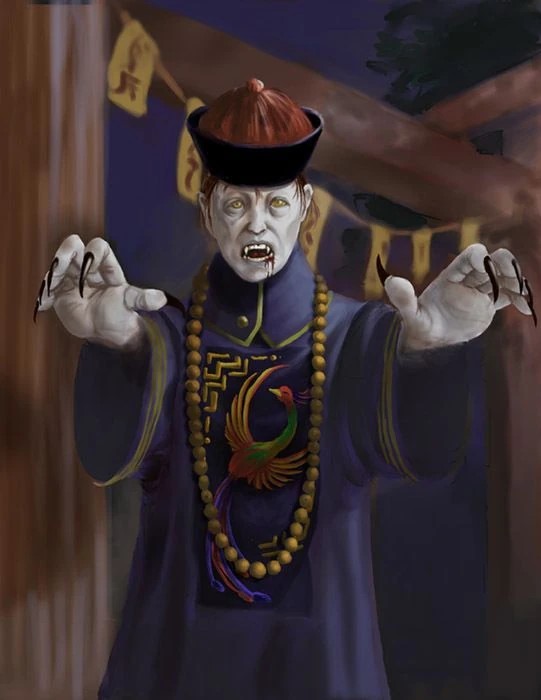
The Jiangshi Myth: In ancient China, it was believed that if someone died far from home, their body needed to be brought back for burial. Taoist priests would “reanimate” them, but because of rigor mortis, they could only hop.
This led to an entire subgenre of horror-comedy films, with brave Taoist monks fighting hopping corpses using peachwood swords, sticky rice, and mystical spells.
Mr. Vampire (1985) – The definitive jiangshi film, blending martial arts, horror, and slapstick humor. It was so successful it spawned an entire franchise.
But as Hollywood-style horror took over, jiangshi faded into obscurity. Instead, Hong Kong turned to modern zombies, with films like:
Bio-Zombie (1998) – A grimy, hyper-stylized take on the genre, featuring video pirates, smugglers, and a zombie outbreak set in a shopping mall.
In recent years, Taiwan has taken things even further into insanity with films like:
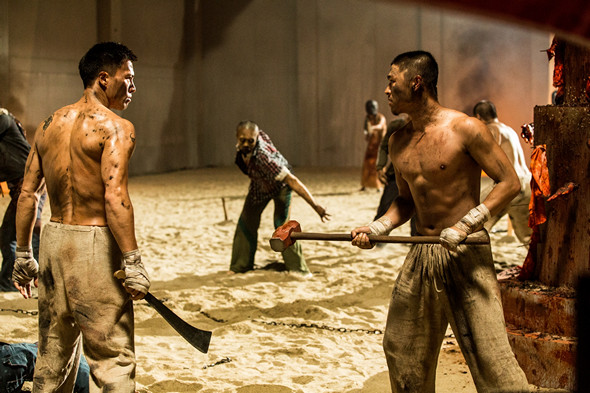
Zombie 108 (2012) – A chaotic mix of crime, gore, and horror set in the streets of Taipei.
Zombie Fight Club (2014) – A wild mix of apocalyptic horror and brutal action – yes, it’s exactly as ridiculous as it sounds.
Hollywood may have given up on hopping vampires, but China and Taiwan? They continue to find new ways to make zombies even weirder.
Japan: Zombies, But Make It Absurd
Japan’s approach to zombies is… well, different. While traditional folklore leans more toward ghosts and demons, modern Japanese horror took a completely unique route.
Stacy (2001) – A surreal, disturbing film where only high school girls become zombies, leading to a bizarre mix of horror and tragedy.
Big Tits Zombie (2010) – Yes, that’s the real title. This grindhouse-style film features stripper samurais fighting the undead. Because Japan.
Zombie Ass: Toilet of the Dead (2011) – Just when you thought things couldn’t get weirder, here comes a zombie movie about parasites and toilet humor.
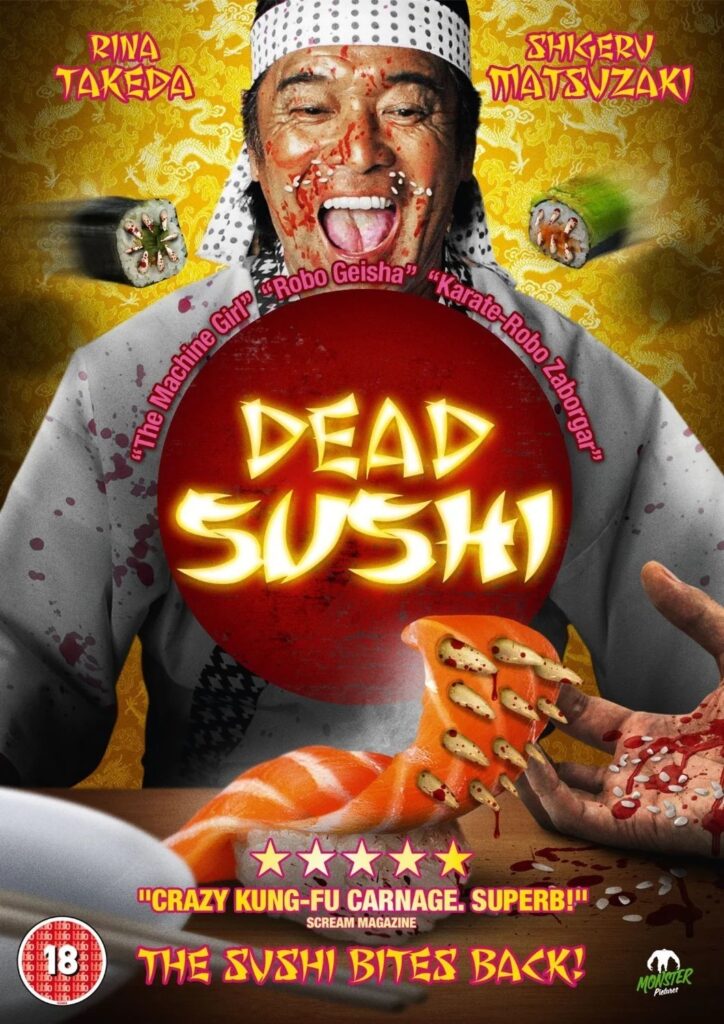
But it’s not all madness – Japan has also experimented with zombie satire.
Tokyo Zombie (2005) – A deadpan comedy where two slackers train in jiu-jitsu while fending off a zombie apocalypse.
I Am a Hero (2015) – Arguably Japan’s best zombie film, mixing terrifying undead with an emotionally gripping story.
And then there’s One Cut of the Dead (2017) – a genre-bending masterpiece that starts as a low-budget zombie flick before turning into one of the smartest meta-horror movies ever made.
If there’s one rule in Japanese zombie cinema, it’s that there are no rules.
South Korea: The New Kings of Zombie Horror
If one country truly revitalized the zombie genre in the past decade, it’s South Korea.
While early Korean zombie films were rare and often experimental, everything changed with one director: Yeon Sang-ho.
Train to Busan (2016) – The game-changer. A high-speed, action-packed, emotional rollercoaster that turned zombies into a nationwide phenomenon.
Seoul Station (2016) – An animated prequel exploring the societal breakdown before Train to Busan.
Peninsula (2020) – A sequel that leaned more into post-apocalyptic action, drawing comparisons to Mad Max.
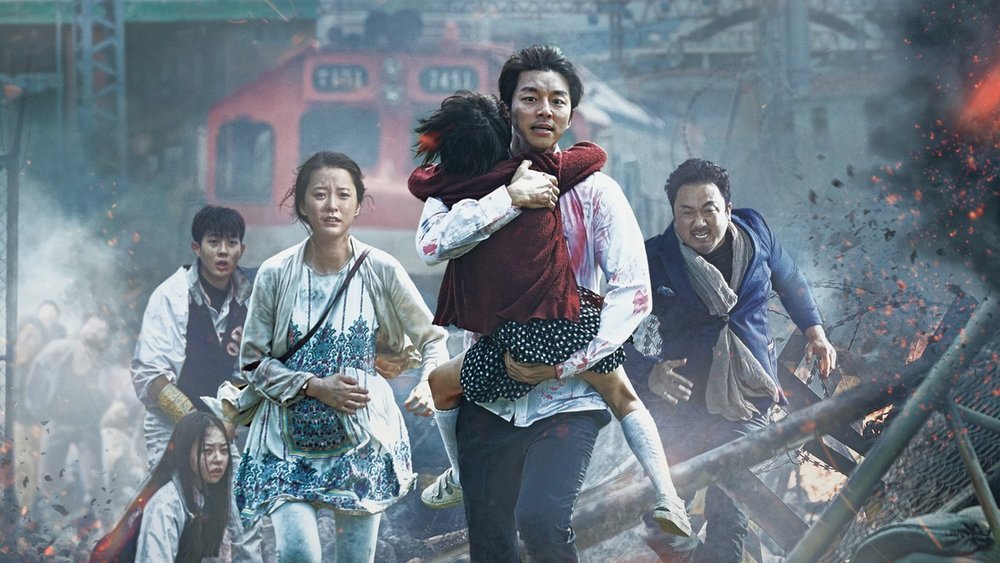
Why did Train to Busan hit so hard?
The train setting is iconic – every Korean knows the Seoul-to-Busan route.
It’s not just about zombies – it’s a brutal social commentary on class, selfishness, and survival.
The zombies are fast, terrifying, and relentless, unlike the slow-moving undead of Western horror.
With Train to Busan’s massive success, Korean zombie films exploded:
The Wailing (2016) – A blend of supernatural horror and zombie terror, filled with creeping dread.
#Alive (2020) – A quarantine horror-thriller about a survivor stuck in his apartment during a zombie outbreak.
Kingdom (2019-2021) – A Netflix series set in medieval Korea, combining period drama with zombie horror – and it’s brilliant.
With Hollywood already working on a Train to Busan remake, it’s clear: South Korea now owns the modern zombie genre.
Final Thoughts
From hopping jiangshi to bullet-train horror, Asian cinema has taken zombies in directions that Hollywood never could.
India dabbled in zombies, then abandoned them.
China and Hong Kong made them hopping, bizarre, and bioweapon-fueled.
Japan turned them into pure, unhinged chaos.
South Korea made them terrifying, emotional, and internationally iconic.
One thing is clear – if you want a fresh take on the undead, look east.
What’s your favorite Asian zombie movie? Let’s hear your picks in the comments!
