

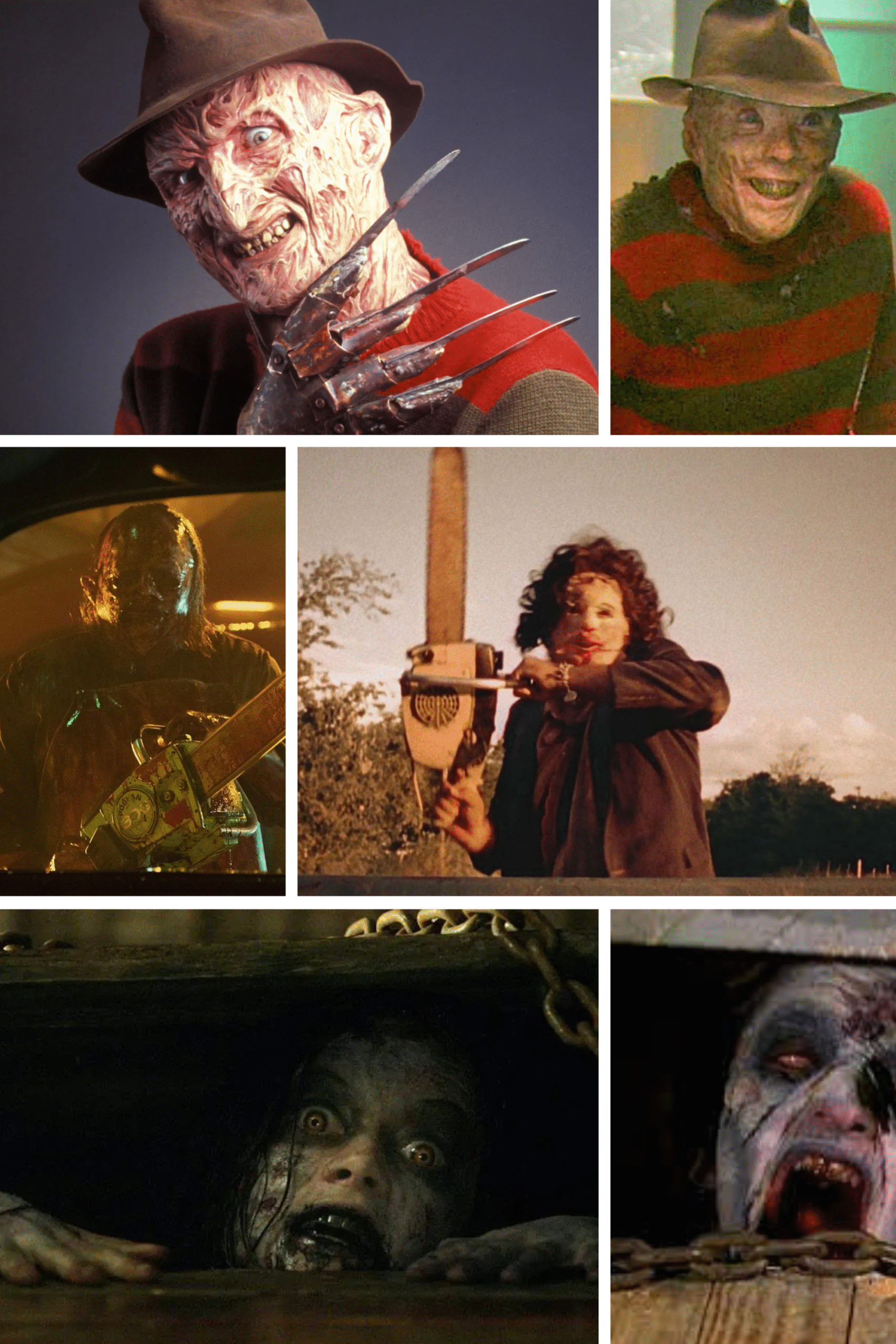
Horror movies don’t just frighten audiences in real time; they haunt imaginations long after the credits roll. Many classics have held their esteemed status because they capture the fears, styles, limitations, and creative solutions of the time in which they were made.
However, when these classics are remade, fans and horror lovers don’t get the emotional rollercoaster that we love to experience. In this article, we’ll look at why classic horror movies often suffer in their remakes.
The Weakness of Remakes
As Hollywood increasingly turns to reboots and remakes, the cultural significance of these films inevitably begins to weaken. From Hitchcock’s Psycho (1960), popularly known as the first modern horror, to The Texas Chain Saw Massacre (1974), and the surreal dread of Argento’s Suspiria (1977), these films achieved iconic status in popular culture. In contrast, the remakes of these movies fail to honor or expand on what made them groundbreaking and are mostly made to reintroduce old stories to new audiences.
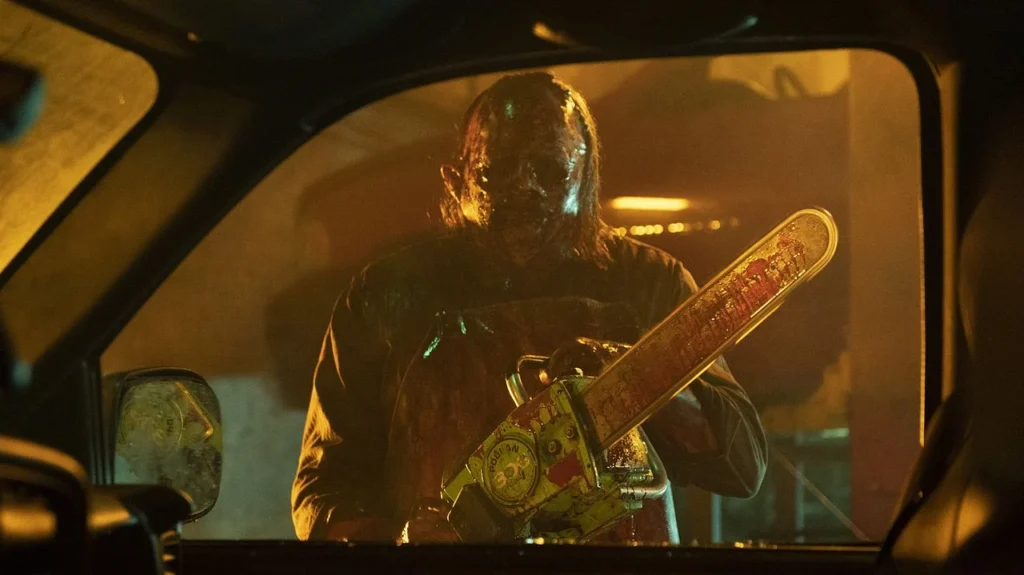
Although some remakes manage to add fresh ideas, many fall short. They lean on spectacle, updated effects, or shallow reinterpretations, which shows that horror classics often should be left untouched. Their legacies cannot be remade.
Cultural Memory and The Imprint of Fear
One of the greatest challenges for remakes lies in cultural memory. Horror films cannot be separated from the historical and social worlds in which they are created. A film becomes a classic not only through its craft but also because it resonates deeply with the audiences of its time.
This creates an emotional mark on viewers who first saw it in theaters, and later generations return to these films to experience the originality of another era. That imprint is almost impossible to reproduce.
A good example is the original Psycho (1960). It not only thrills audiences, but it also has a significant effect on what they thought cinema could show. The shower scene, where Marion Crane is stabbed while Herrmann’s violins scream in the background, shocked audiences with its violence and with the sudden death of its main character halfway through the story. The sharp edits, the black and white contrast, and the vulnerability of Janet Leigh’s stripped-down image left a lasting impression on viewers still accustomed to the restrictions of the Production Code.
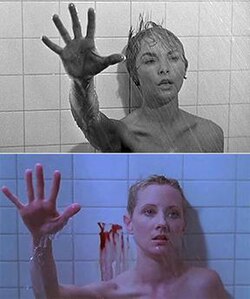
When Gus Van Sant released his nearly identical remake in 1998, although complete with color and new actors, it eventually became lackluster because by then, audiences had become accustomed to graphic violence and nudity, making the same scenes no longer carry the shocking effect. The remake demonstrated why Hitchcock’s film worked in 1960 but could not be duplicated decades later.
Similarly, The Wicker Man (1973) captured a distinctly British strand of folk horror by weaving rural isolation, pagan ritual, and religious anxiety into a story that grew steadily more unsettling. The Maypole dance, with children cheerfully singing about fertility, became disturbing precisely because of its innocence. Willow’s erotic dance, performed just on the other side of Sergeant Howie’s wall, mixed sensuality with spiritual unease, underlining the clash between Christian values and pagan freedom.
The unforgettable ending, where Howie is sacrificed inside a giant wicker figure while villagers sing joyfully, remains one of the most haunting finales in horror. The 2006 remake starring Nicolas Cage stripped away these cultural and spiritual layers.
The Maypole dance lost its ritual weight, Willow’s character no longer carried the hypnotic presence of seduction, and the final sacrifice became unintentionally comical, remembered more for Cage’s shouting and the “not the bees” scene than for dread. Instead of primal terror, the remake turned what was once a haunting cultural allegory into a punchline by disregarding the cultural context and the heart of the original’s genre-influenced artistic style.
Atmosphere and Nostalgia Over Spectacle
One of the most distinct losses in many remakes is the lack of innovation with artistic style and atmospheric tension. Classic horror thrives on suggestion, silence, and gradual suspense, built through practical effects, sound design, and restrained performances. Modern remakes often trade these qualities for loud visuals, jump scares, CGI, and direct shocks. What should have been slow-building terror becomes a fast spectacle.
This difference is clear in Poltergeist. The 1982 film grounded its horror in the warmth of a suburban family whose home is slowly invaded by supernatural forces. It’s eerie, static-filled television, Carol Anne’s chilling whisper of “They’re here,” and the grotesque hallucination of a man peeling his face left unforgettable impressions. The 2015 remake rushed through these same beats with little emotional weight, relying on CGI to recreate the scares without the patient buildup that made the original powerful.
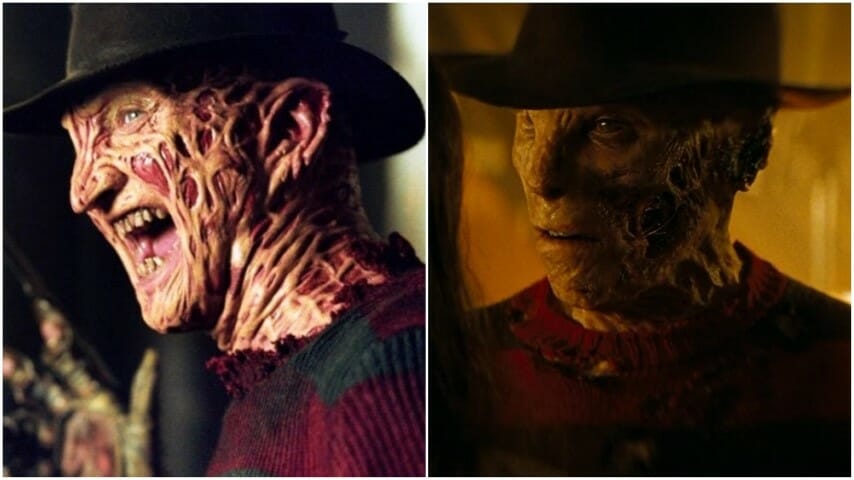
The same can be said of A Nightmare on Elm Street (1984), where Wes Craven used surreal dreamscapes to bend reality into disturbing shapes. Nancy’s classroom nightmare, where her dead friend appears bloodied in the hallway, and the geyser of blood erupting from Glen’s bed are moments that unsettled audiences through practical effects and nightmarish atmosphere.
The 2010 remake updated Freddy’s look with heavy CGI scars and reproduced the deaths with digital effects, but the result lacked the dreamlike terror of the original. Robert Englund’s Freddy, a mix of humor and menace, became in Jackie Earle Haley’s version more monstrous than nightmarish.
Goodnight Mommy (2014) offers another lesson on how originality of scares and atmosphere creates lasting cultural memory. The Austrian original built its power from ambiguity and silence. The mother’s face, wrapped in bandages, left audiences questioning her identity, while the twins’ cruel tests of her authenticity created unbearable tension. Having no music or stylized visuals, these moments made the viewer feel trapped inside the children’s paranoia.
However, the 2022 American remake softened this ambiguity. The mother’s role was explained too directly, the violence toned down, and the scenes that mirrored the original lacked weight, relying instead on straightforward scares. What had been a hallucinatory nightmare became a conventional thriller.
This is where nostalgia’s power comes in. Audiences remember the original not only for its craft but for the emotional mark it left, a fear that lingered long after the credits. When remakes fail to recreate that resonance, they are not only judged as weaker films, but they also remind us of how classical the original experience truly was.
Final Thoughts
These comparisons reveal why horror classics last. They are born from cultural memory, historical context, and artistic originality. Their atmosphere, suggestion, and innovation allow them to stand apart as films that last, whether they were made decades ago or only a few years back.
As societies and their fears gradually evolve, filmmakers today would do better to create original stories that reflect present anxieties and artistic and cinematic sensibilities, rather than recycling old ones. The horror films that will stand the test of time are those that capture their era in unforgettable ways, leaving an imprint that no remake can ever truly replicate.
